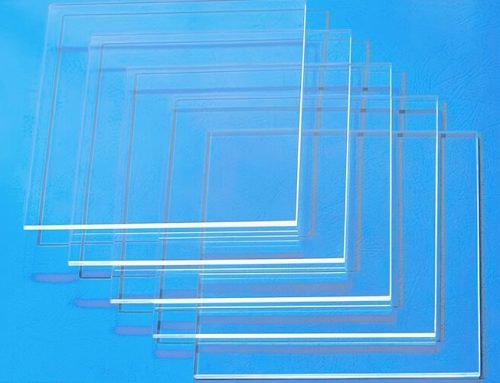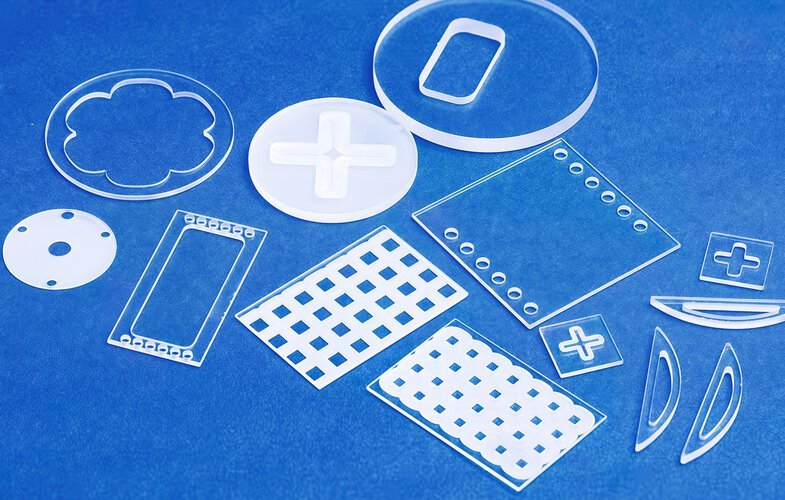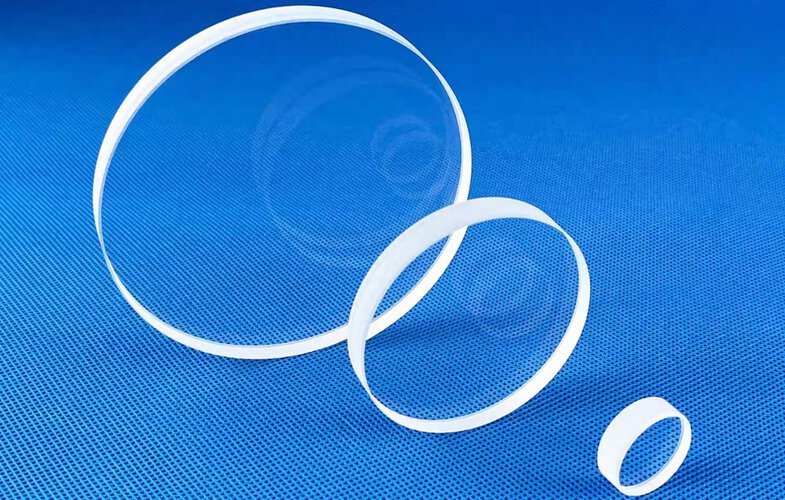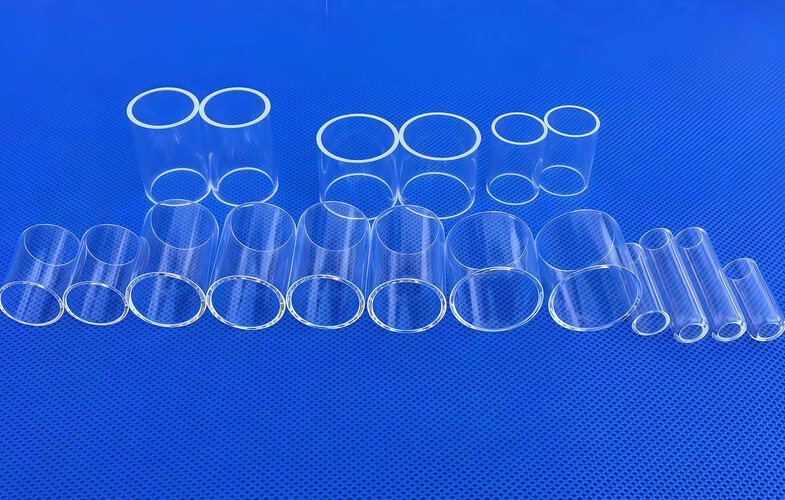

In the context of laboratory high-temperature furnaces, semiconductor lithography equipment, and precision optical instruments, transparent quartz glass plates represent a fundamental component that is often overlooked in its significance. Many users tend to focus on its surface features, such as its transparency and heat resistance, while overlooking the core factors that determine its applicability. These include the material purity, thermal stability and its optical uniformity.
- Working principle and core structureof transparent quartz plates
The core component of transparent quartz glass plates is silicon dioxide (SiO2), with a content as high as 99.99%, ensuring minimal impurities and consistent performance in high-temperature and optical applications. Its transparency is due to its amorphous structure, which causes minimal scattering when light passes through, thus resulting in a high light transmittance. This structure also endows it with excellent thermal stability, enabling it to withstand drastic temperature changes.
The coefficient of thermal expansion of quartz glass is extremely low, which is attributed to its dense silicon-oxygen tetrahedral network structure. This results in minimal volume change when heated, reducing the likelihood of breakage due to thermal stress. A Mohs hardness of 7 indicates that its surface is highly scratch-resistant and is suitable for use in situations where frequent cleaning or contact is required.
- How do technological differences affect practical applications
Quartz glass plates of varying purity and manufacturing processes will display notable discrepancies in practical applications. For instance, materials with a lower purity level may become opaque at higher temperatures due to the precipitation or crystallization of impurities, resulting in a decrease in transmittance. Conversely, high-purity quartz glass is able to sustain consistent optical performance even under prolonged high-temperature conditions.
Typically, a transmittance of 85% is considered standard. In applications such as ultraviolet lithography where high light transmittance is required, the sufficiency of this value depends on the specific wavelength and system requirements. If a higher transmittance is required, it is essential to consider the absorption characteristics of the material within a specific wavelength.
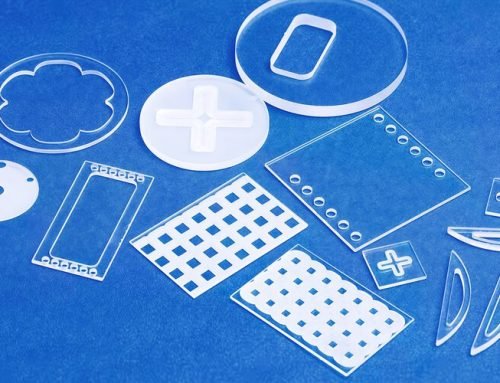
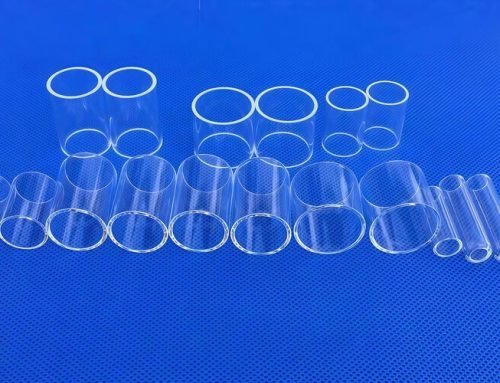
Furthermore, the capacity for customization of quartz glass allows for its adaptation to a wide range of size requirements, from compact laboratory devices to large-scale industrial equipment. The high-temperature and corrosion resistance of quartz glass is due to its chemical inertness, which prevents reaction with most acids (with the exception of hydrofluoric acid). This enables quartz glass to be used in corrosive gas or liquid environments for extended periods without surface deterioration.
- Applicability and usage limitations in photolithography and high-temperature experiments
In the field of photoetching machine, the light-transmitting substrate is required to meet stringent criteria, including high transmittance, low thermal expansion, and precise surface flatness. The low thermal expansion of quartz glass ensures minimal deformation caused by heat from the light source during exposure, thereby ensuring the accuracy of photolithography.
The material used for the observation window must be able to withstand repeated heating and cooling cycles in the high-temperature furnace of the laboratory. Quartz glass is highly thermally stable, reducing the risk of it cracking, while also ensuring optimal visibility for the operator, who is able to observe the state of the samples inside the furnace in real time. It should be noted that a short-term temperature resistance of 1200°C does not guarantee that quartz glass can be used at this temperature for an extended period. Should the quartz glass plate be exposed to this temperature for an extended period, there is a possibility of slow deformation or degradation of its optical properties.