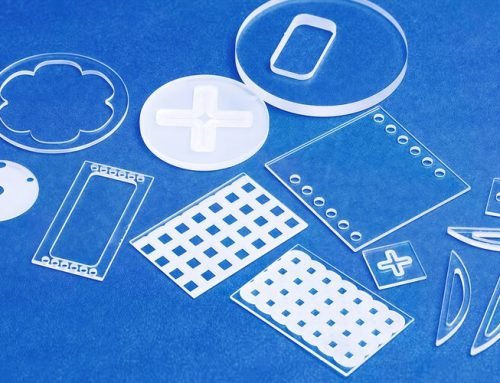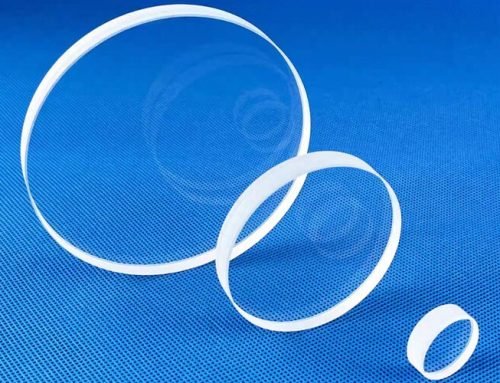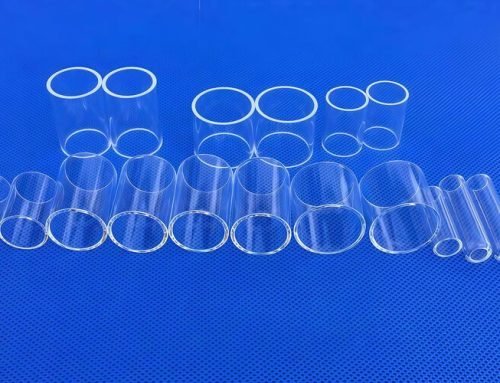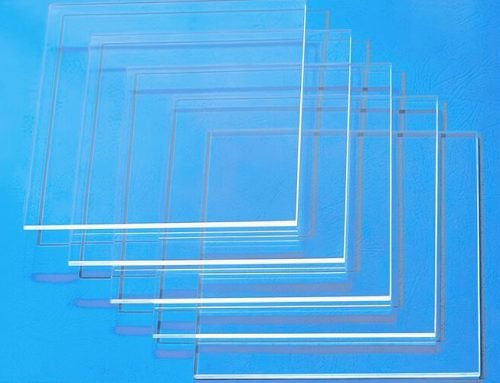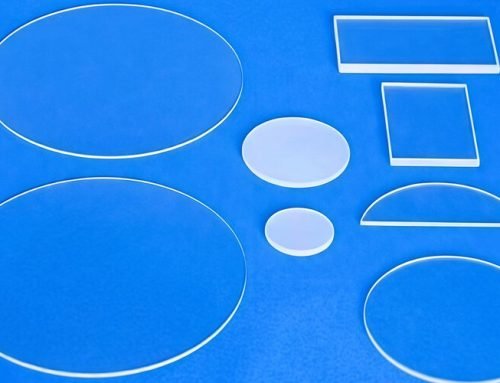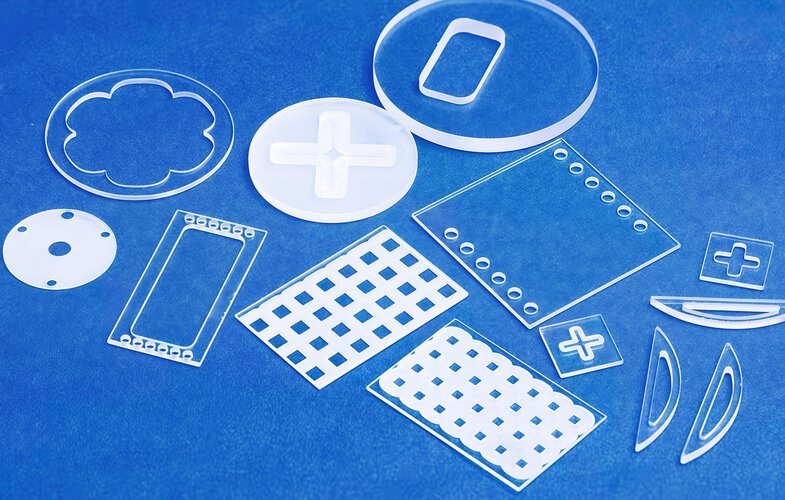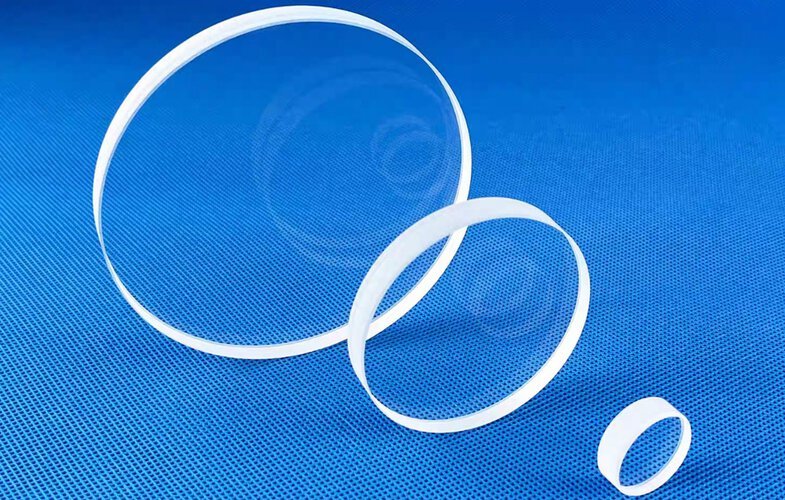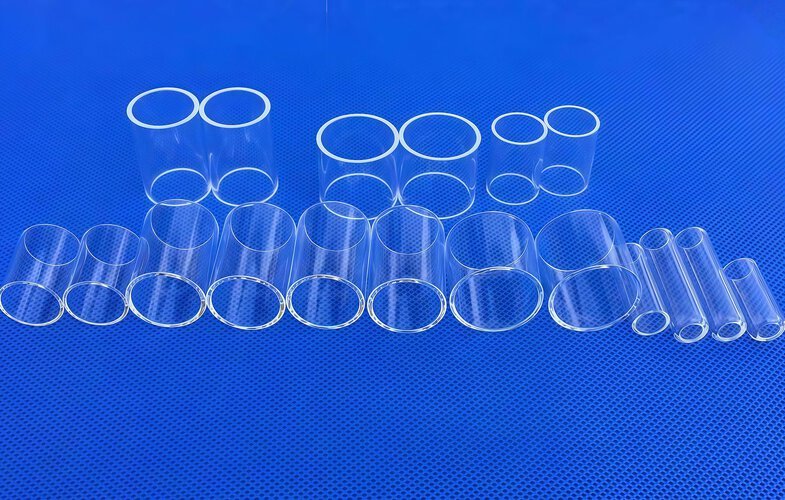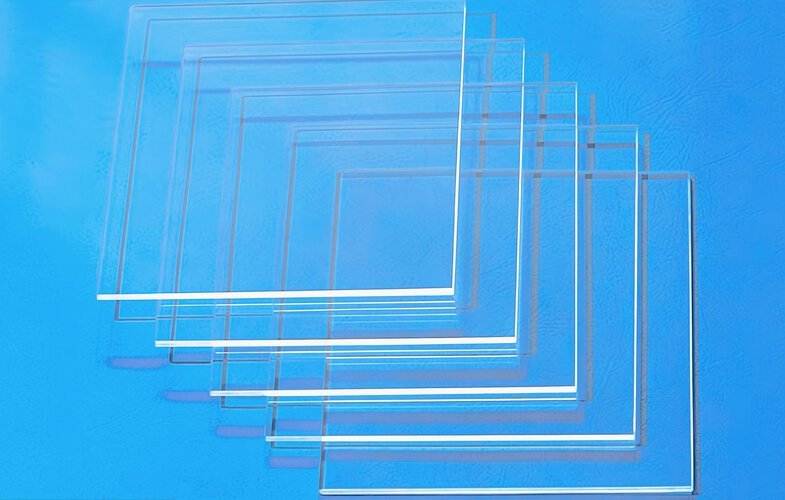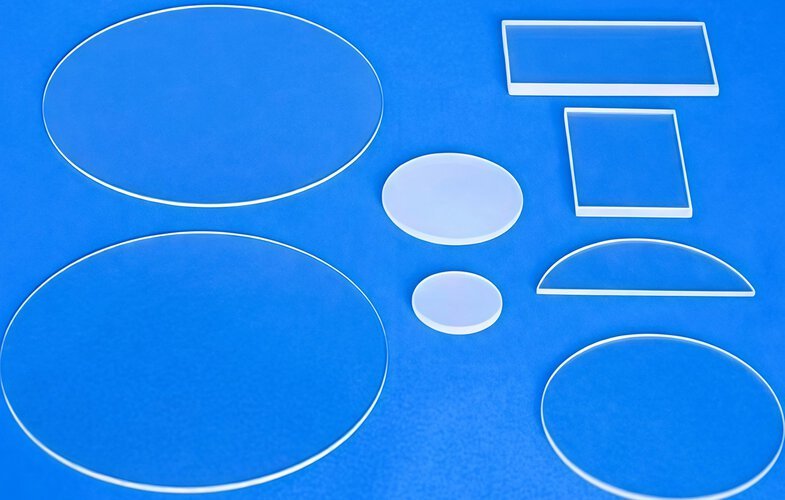
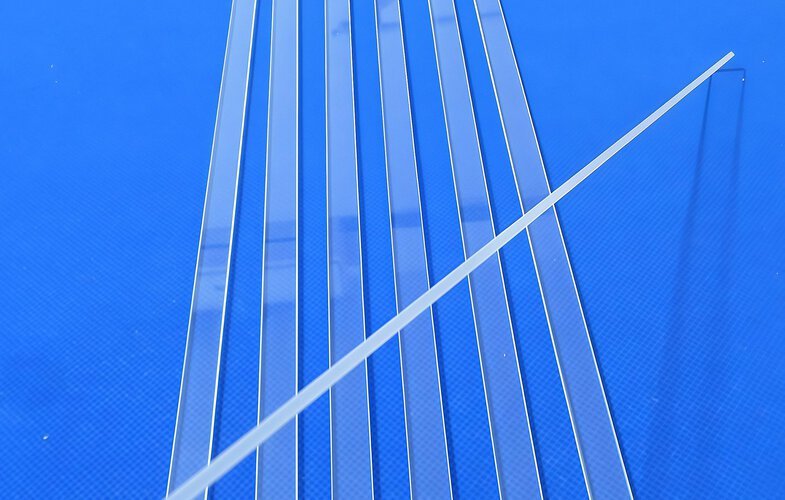
In scenarios such as high-temperature observation windows in laboratories and light-transmitting substrates in semiconductor lithography machines, ordinary optical glass often breaks due to an excessively high coefficient of thermal expansion. It is common practice for users to focus on transparency or thickness parameters when assessing the performance of quartz glass plates. However, there are two fundamental factors that determine the actual performance of quartz glass plates that are often overlooked: the purity of silica and the crystal phase structure.
- Analysis of working principle and core structure
The 99.99% high-purity silica content forms an amorphous network structure, which is the chemical basis for heat resistance. Quartz glass is distinct from ordinary glass due to its unique network of silicon-oxygen tetrahedrons[SiO4]. These tetrahedrons are interconnected in a three-dimensional structure, with a bond energy that reaches a remarkable 460kJ/mol. This structure can remain stable until the temperature rises to the melting point of 1750℃. The refractive index of 1.4585 is derived from the loose atomic arrangement, with a density of only 2.2g/cm³. The Mohs hardness of 7 is attributed to the mechanical strength of the covalent bond network. 85% of the transmittance is concentrated within the ultraviolet to near-infrared range (190nm-2500nm), directly related to the electron transition energy gap.
- How do technological differences affect practical applications?
The annealing point of 1250°C indicates that the temperature must be reduced gradually during processing to prevent the build-up of internal stress. This is the reason why custom parts require a longer delivery time. The discrepancy between the short-term tolerance temperature of 1200°C and the long-term service temperature (approximately 800°C) is attributable to the phase transformation risk of cristobalite. When the temperature exceeds 1100°C, the amorphous structure will transform into a crystal structure, thereby decreasing light transmittance. In comparison with soda-lime glass, its significantly lower coefficient of thermal expansion renders it more reliable in environments subject to drastic temperature fluctuations, such as laser windows.
- Application scenarios and understanding framework
When making a decision, three factors must be given full consideration: Firstly, it is necessary to ascertain whether the working temperature range exceeds the critical point of material phase transformation. Secondly, it is essential to determine whether the ultraviolet transmission requirement necessitates a purity greater than 99.9%. The third issue to consider is whether the mechanical load requires compensation for inadequate hardness by increasing the thickness. In corrosive environments, it is essential to monitor the hydroxyl content, as this affects acid resistance. For optical systems, it is crucial to ensure that the refractive index uniformity is maintained below 5×10⁻⁶/cm³.