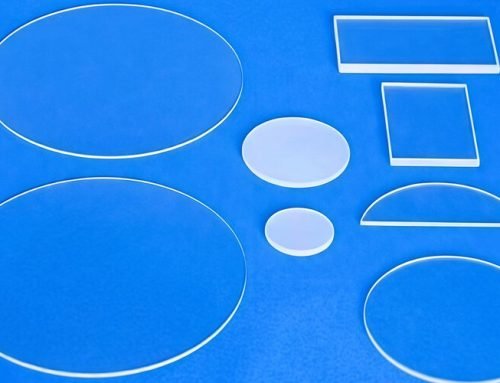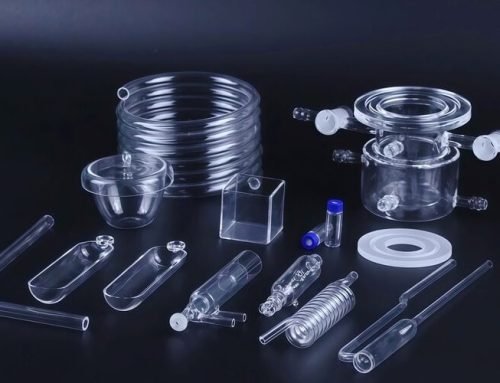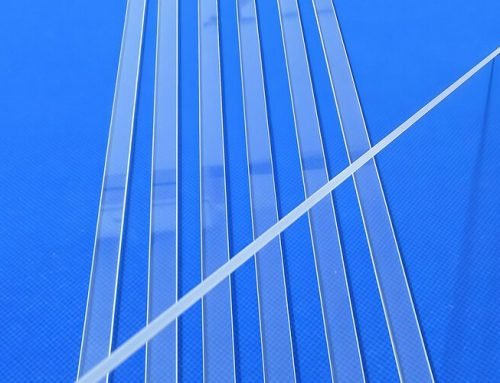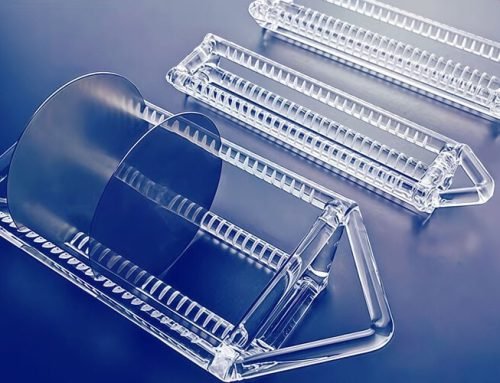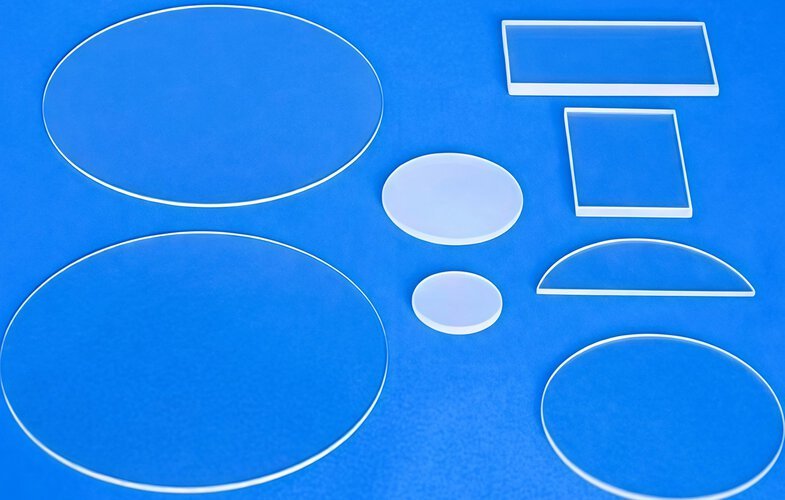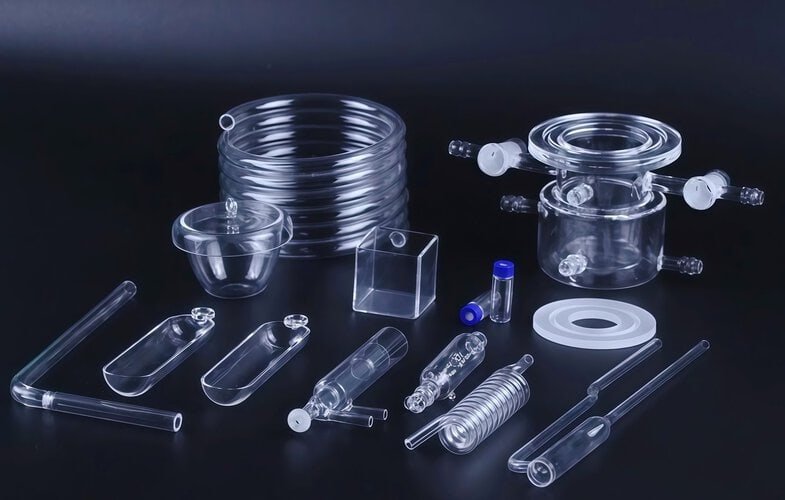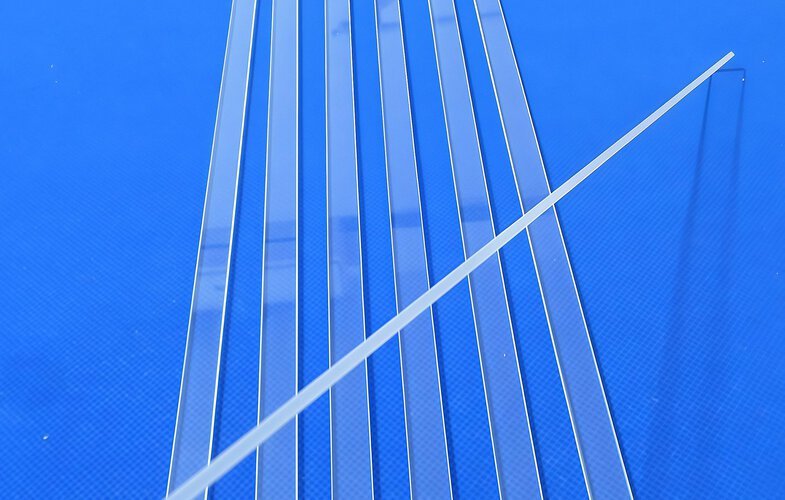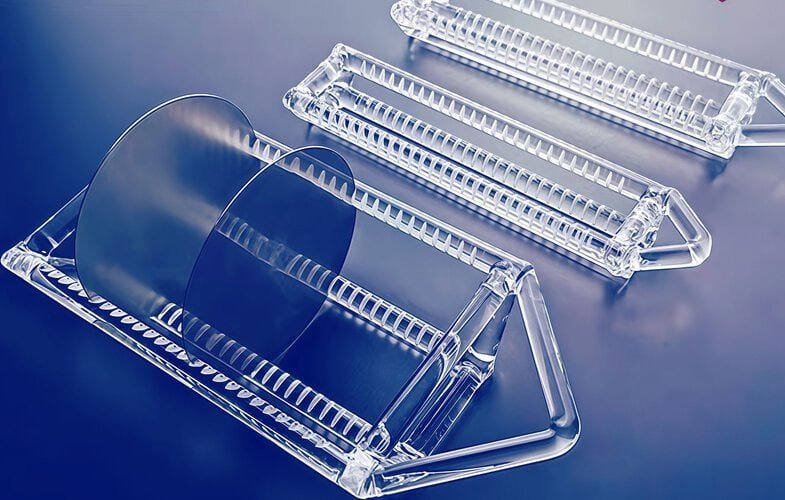
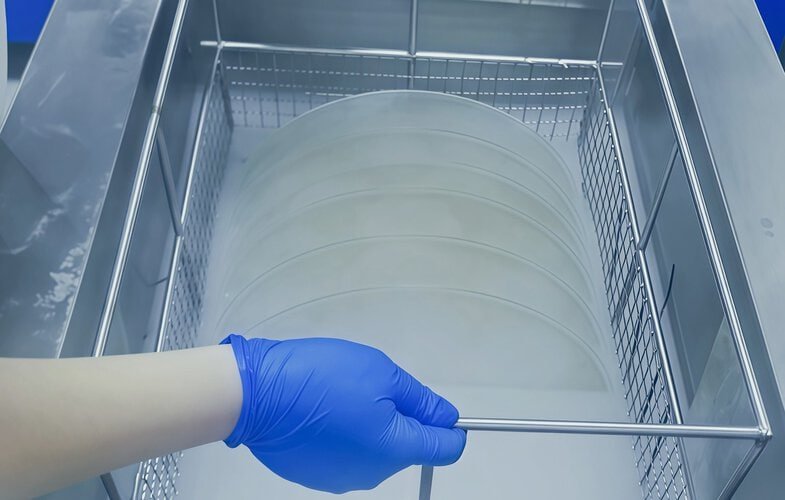
Quartz plates are widely used in semiconductor manufacturing, optical inspection, laboratory analysis and other fields due to their excellent chemical stability, high-temperature resistance and high light transmittance. The cleanliness of quartz plates is directly linked to the reliability of subsequent processes, including the deposition quality of semiconductor wafers and the light transmission efficiency of optical components. However, quartz plates are susceptible to dust, organic residues, metal ions, particle impurities and other contaminants during processing, storage and use. Therefore, targeted cleaning methods should be adopted and operational risks should be strictly avoided.
- Core cleaning method
- Physical cleaning method
It is an effective solution for removing loose particles and dust from surfaces. Basic operations should include the removal of surface dust using high-pressure nitrogen, or gently wiping with a dust-free cotton bud soaked in anhydrous ethanol. In cases of quartz plates with overall contamination, ultrasonic cleaning is an effective solution. The ultrasonic frequency should be set to around 40kHz. Deionized water or anhydrous ethanol should be used as the medium. It is recommended that the cleaning time is kept to a minimum of 5 minutes and a maximum of 15 minutes. This method is simple to operate and leaves no chemical residue.
- Chemical cleaning method
It is the most widely used precision cleaning method for stubborn organic residues and metal ion contamination. The standard RCA cleaning method is a two-step process. Firstly, the quartz plate is soaked in SC1 solution at a temperature of 70-80°C for 10-20 minutes. This step is effective in removing particles and weakly adsorbed organic matter. Secondly, the quartz plate is soaked in SC2 solution at the same temperature for approximately 10 minutes. This step is effective in complexing and removing metal ions, such as sodium and iron.
- High-temperature roasting method
It is suitable for quartz plates capable of withstanding high temperatures and which contain a significant amount of organic residue. The quartz plates should be placed in a muffle furnace at a temperature of 450-550°C for 30-60 minutes. This will allow the organic substances to thermally decompose and volatilize. Following a natural cooling process, the quartz surface can be rendered clean. This method is advantageous in that it leaves no chemical reagent residues and is less costly. However, it is not suitable for quartz components with thermal stress.
- Key precautions
- Material compatibility control
The primary component of quartz is silicon dioxide, which is susceptible to reaction with hydrofluoric acid and high-concentration strong alkali. During the cleaning process, unless it is necessary to specifically etch the residue, it is imperative that the quartz plate does not come into contact with hydrofluoric acid, nor should it be soaked in concentrated strong alkali for extended periods of time. This is to avoid issues such as surface corrosion, increased roughness, or performance degradation.
- Operation safety protection
Chemical cleaning must be carried out in a fume hood. All operators are required to wear acid and alkali resistant gloves, goggles and protective clothing. The Piranha solution is a powerful oxidizing agent when mixed with water. It is strictly forbidden to come into contact with flammable substances such as plastic and organic matter to prevent explosion or burns.
- Surface integrity protection
To avoid scratches, it is essential to refrain from using hard friction materials such as sandpaper or scouring pads when cleaning quartz surfaces. Following the cleaning process, please refrain from using general laboratory paper for wiping. Instead, we recommend using a dry, oil-free nitrogen gun to blow dry, or placing it on a super clean bench to allow it to drain naturally, thus avoiding lint residue.
- Precise parameter control
It is imperative that the proportion, temperature and duration of chemical reagents are meticulously regulated. If the temperature of SC1 is too high, redeposition of the particles will occur. If the temperature of the piranha solution exceeds 120°C, it may decompose vigorously. Ultrasonic cleaning for extended periods can lead to cavitation damage to the quartz surface. Typically, one cleaning session should take no longer than 20 minutes.
- Avoid secondary pollution
The deionized water used for cleaning must ensure a resistivity of ≥18.2MΩ·cm. The containers should be soaked in an acid solution in advance and rinsed clean. The cleaned quartz plates should be promptly transferred to a dust-free sealed box for storage, with a small amount of desiccant placed to prevent them from re-adsorbing impurities in the environment.