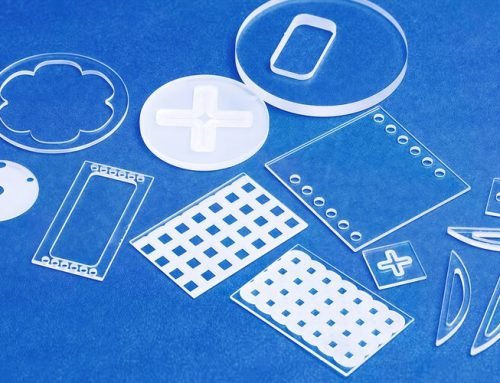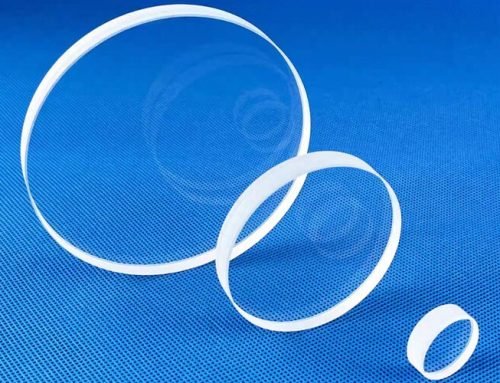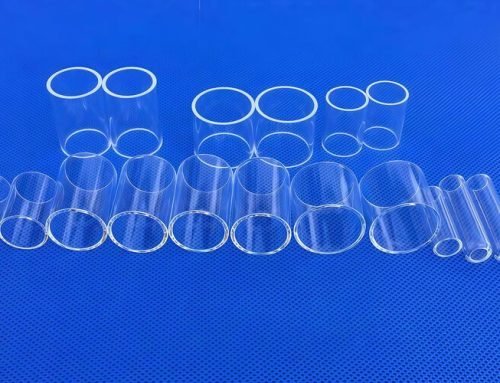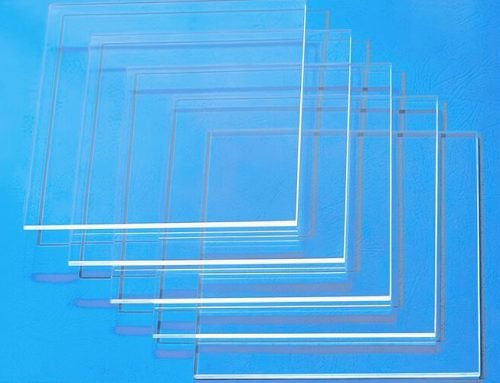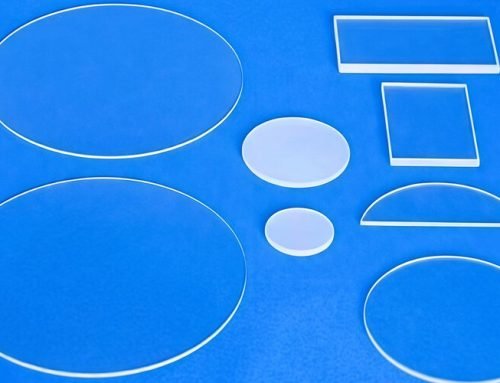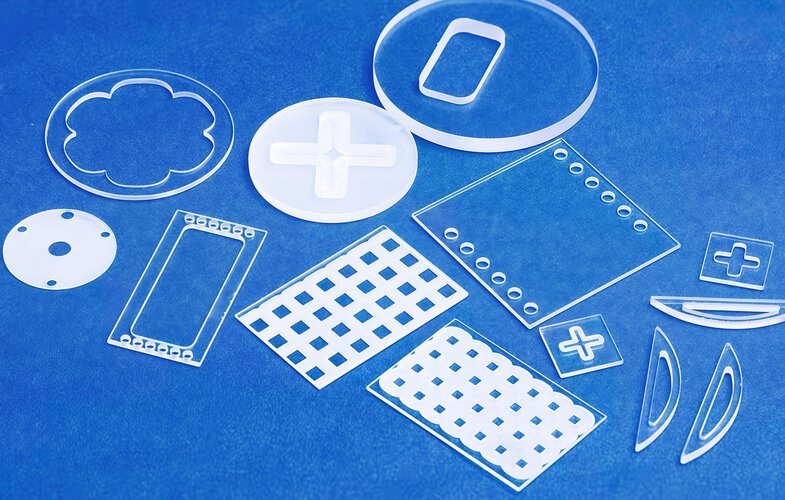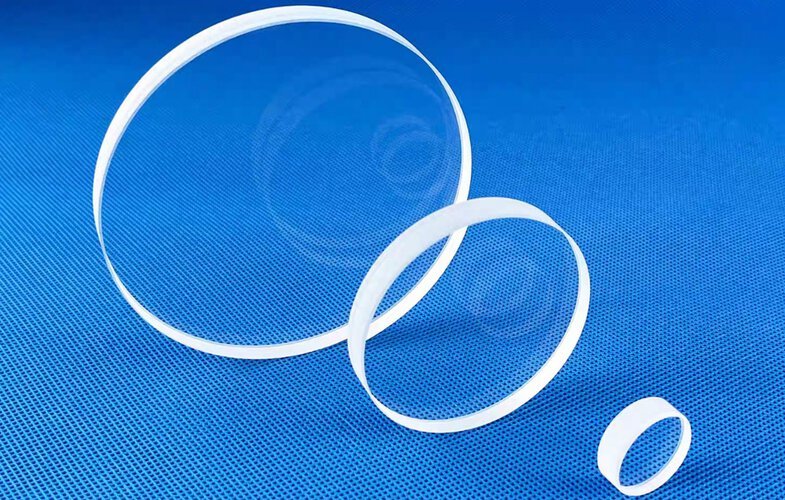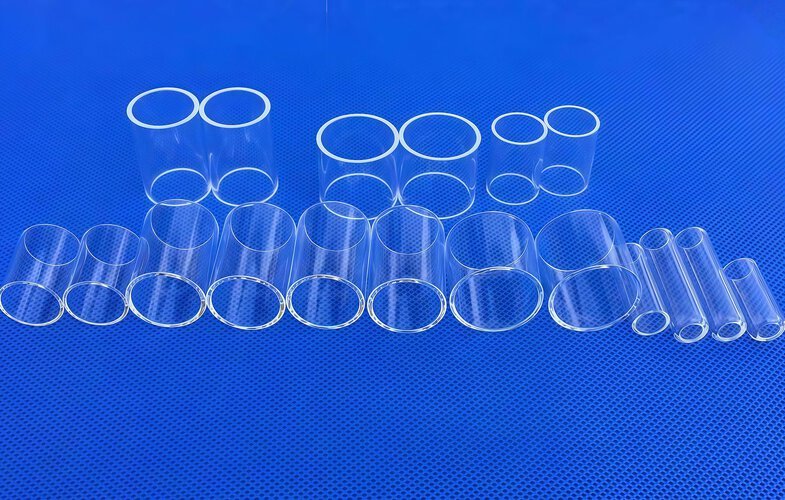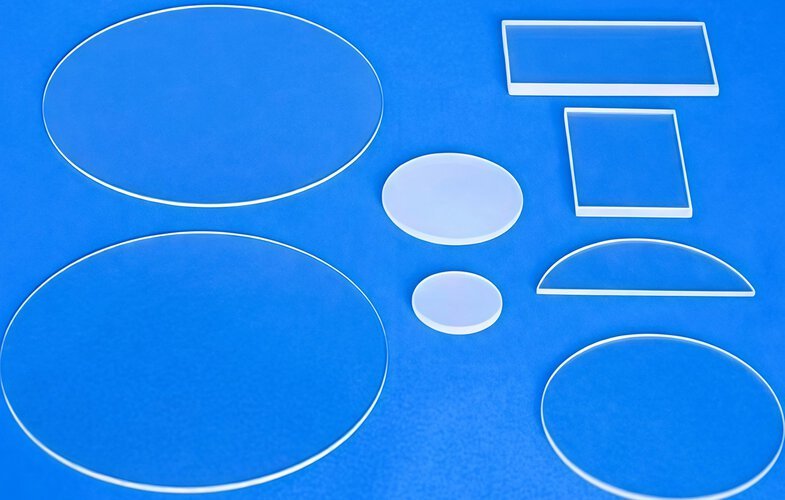
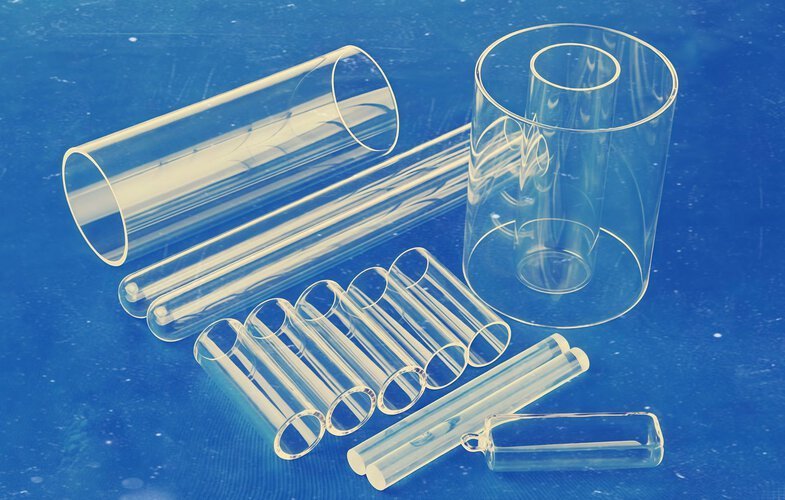
The presence of transparent components in a laboratory, a semiconductor production line, or optical equipment often indicates the utilization of quartz glass. Material costs have never been a single consideration. The value of this material is attributable to its hidden properties, including high-temperature resistance, light transmittance and chemical stability.
- Key reasons semiconductor and optical industries choose quartz glass
In environments where extreme purity is essential, conventional glass is subject to sodium ion release, which can compromise the process, while fused quartz glass wafers maintain stability.
- Low coefficient of thermal expansion
It hardly deforms in temperatures ranging from -200° to 1100°C, making it well-suited for situations involving abrupt temperature fluctuations.
- Highultraviolet transmittance exceeding 90%
It facilitates enhanced energy efficiency in ultraviolet sterilization lamps and optical sensors.
- Chemical inertness
Quartz glass containers are specifically engineered for use in strong acid and strong alkali environments, where they exhibit a service life that is 30 times longer than standard glass.
- Balancing high-temperature resistance and light transmittance in quartz glass
In order to achieve a heat resistance of 1600°C, modifying agent must be added to quartz glass, but this will reduce the light transmittance. However, quartz glass substrates with ultra-high light transmittance are often unable to withstand the impact of molten metal. When making actual selections, there are three key balances to be grasped.
- Temperature and purity
When used at temperatures below 1200 °C, quartz glass should be selected with a high purity of 99.99%. However, at higher temperatures, it is essential to compromise on purity to ensure enhanced heat resistance.
- Thickness and strength
Quartz glass with a thickness of 0.5 mm is ideal for use in quartz glass windows. Those with a thickness of 3 mm and over are well-suited to withstand mechanical stress.
- Surface treatment
Quartz glass with a polished surface ensures optimal optical performance, while its frosted surface is particularly well-suited for high-temperature sealing applications.
- Quartz glass forms: applications from rods to tubes
- Structure of rods
Quartz glass rods are particularly advantageous in medical laser light guidance and semiconductor wafer handling, with diameter errors required to be controlled within ±0.02mm.
- Structure of tubes
The vapour deposition process is contingent on uniform heat conduction from the quartz glass tubes, and the quality of the coating is determined by the thickness tolerance of the tube walls.
- Special-shaped parts
It is essential to consider both thermal field distribution and thermal shock resistance when manufacturing customized quartz glass crucibles and quartz glass instruments.
- The hidden necessity for quartz glass processing equipment
- Cutting accuracy
Ordinary glass knives can cause micro-fractures along the cutting edges, and a quartz glass cutting machine equipped with a laser system is essential.
- Surface treatment
In order to achieve a surface finish of Ra≤0.01μm, it is essential to utilize a dedicated quartz glass polishing machine.
- Auxiliary system
The yield of finished products is determined by quartz glass coating equipment and quartz glass fixtures.
- The secrets to maintain laboratory-level cleanlinessof quartz glass
- Selection of cleaning agent
Ordinary alcohol may leave water marks, but the special quartz glass cleaner should be matched with the type of contaminants.
- Storage environment
When storing in a clean room, quartz glass adhesive should be used to seal the edges.
- Re-inspection cycle
Quartz glass must be tested for its ultraviolet transmittance every six months. Should it drop by 5%, professional treatment will be required.
The inherent value of quartz glass is derived from its ability to address specific challenges. In order to make an appropriate selection of quartz glass, it is first necessary to ascertain whether the application scenario falls within the categories of high-temperature corrosion, precision optics or semiconductor processes. Following this, it is essential to consider the required purity, form and processing accuracy.