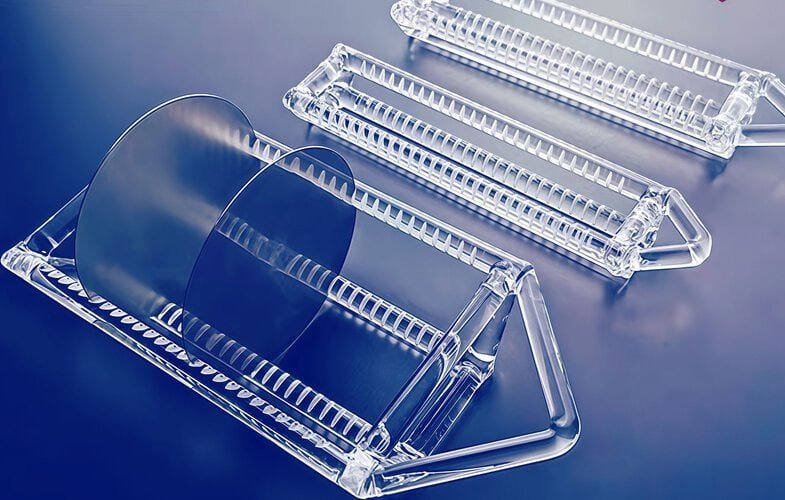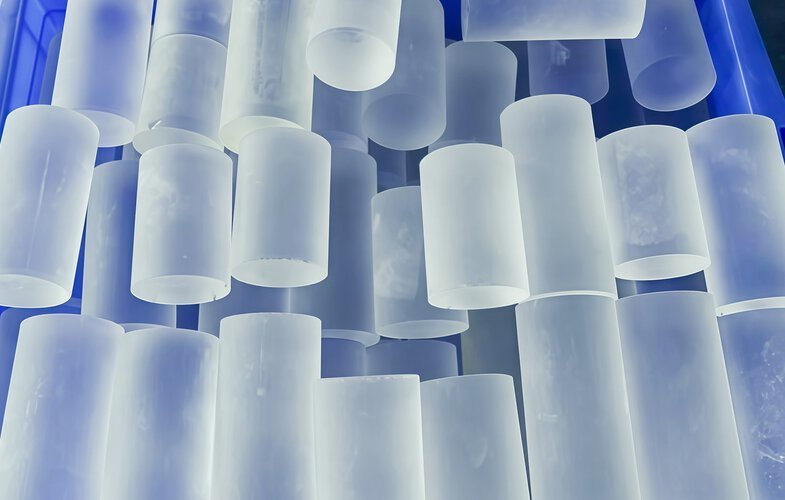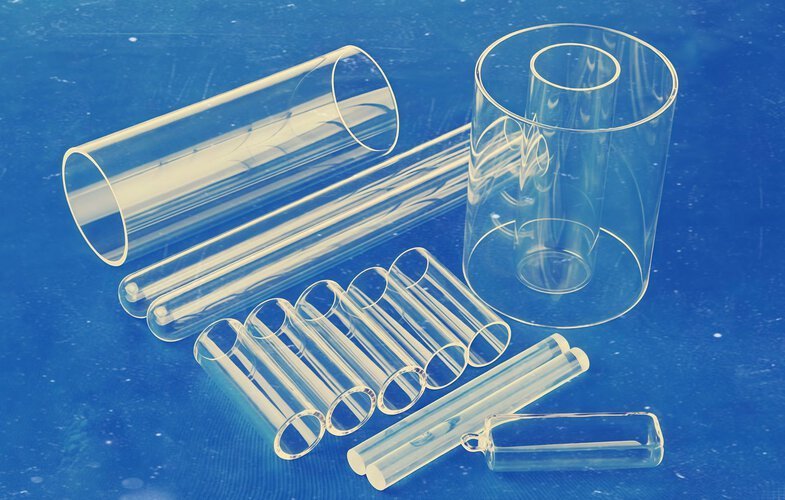
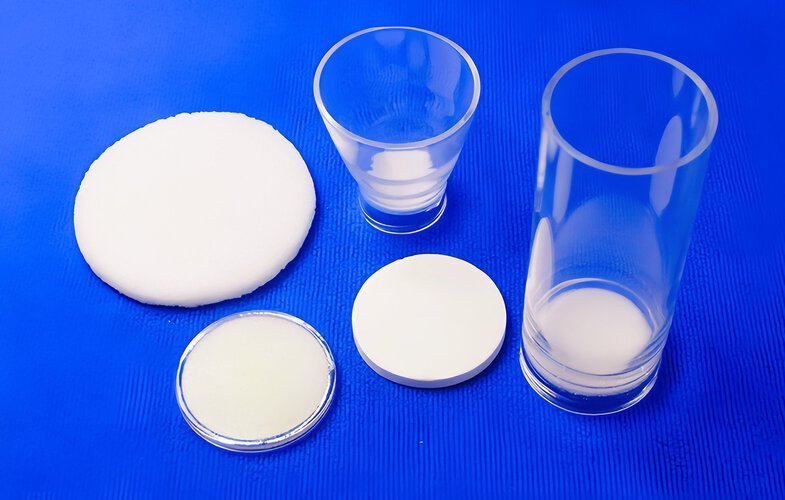
Quartz (fused silica, SiO₂) has a melting point above 1700 °C; therefore, at 110 °C there is absolutely no risk of physical melting. The frit structure remains intact.
However, chemical corrosion is a separate concern. Quartz is an acidic oxide and can be slowly attacked by alkaline solutions, especially at elevated temperatures. K₃PO₄ (tripotassium phosphate) is a weak base, but its aqueous solution at 110 °C may cause slight dissolution of the silica surface, forming soluble silicates. N‑methyl‑2‑pyrrolidone (NMP) is a stable, non‑corrosive solvent; it does not react with quartz, but its strong wetting and penetrating properties may enhance local contact between the base and the frit, potentially accelerating the corrosion rate.
In practice, short‑term exposure (a few hours) poses minimal risk. For prolonged or repeated use, monitor the frit for surface roughening, weight loss, or clogging. After each run, rinse thoroughly with deionized water to remove residual alkali. If long‑term durability is critical, consider using PTFE or PFA frits as alternatives in strongly basic environments.