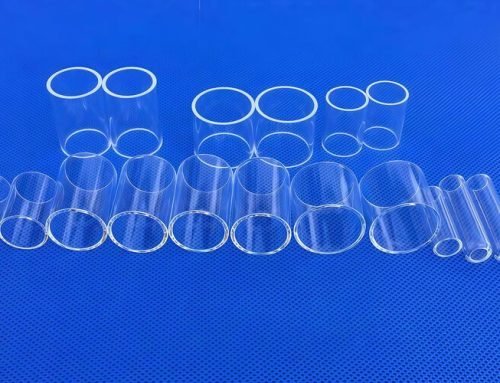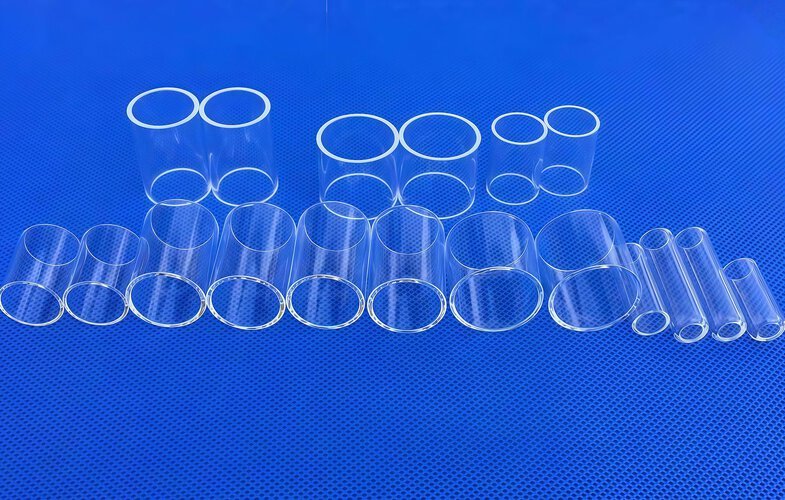
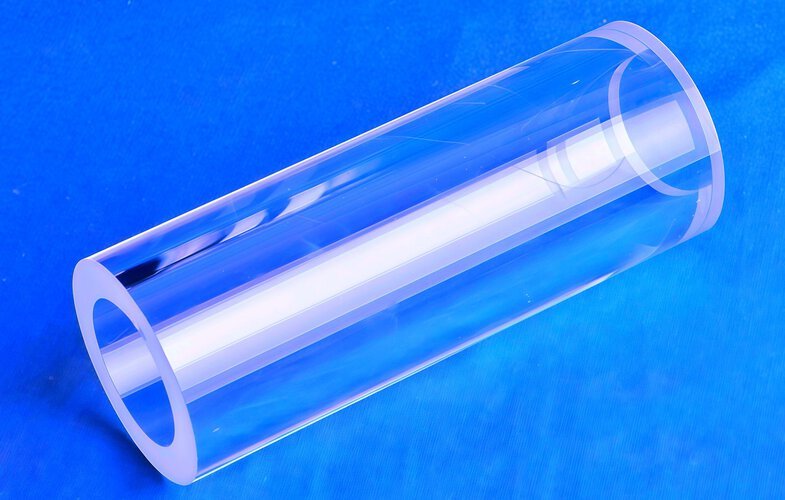
Thick-walled quartz tubing is a common laboratory instrument and is widely used in fields such as chemistry, biology and medicine. It is characterized by high resistance to high temperature, high pressure and severe corrosion, as well as good transparency, and can therefore play an important role in many experiments. However, when using thick-walled quartz tubes, it is also important to take certain precautions to ensure safety and accuracy. Please be advised of the usage precautions for thick-walled quartz tubes.
- Check before use
Prior to utilization, a thorough inspection of thick-walled quartz tubes is imperative to ascertain the absence of any visible damage or cracks. Furthermore, it is essential to verify that the dimensions of the tubes align with the specified requirements. The use of defective quartz tubes in experimental work can result in the explosion of glass or the failure of the experiment.
- Cleaning
Prior to use, the thick-walled quartz tube should be cleaned to ensure that the interior is clean and free of impurities. It is recommended that the tube be cleaned with warm water and a small amount of detergent, then rinsed thoroughly with clean water and allowed to air-dry. In addition, regular cleaning of the thick-walled quartz tube should be carried out during use to prevent adhering substances from affecting the experimental results.
- Pay attention to the temperature
Thick-walled quartz tubes are characterized by their ability to withstand high temperatures and pressures. However, when in use, it is imperative to avoid direct contact with high-temperature objects to prevent the quartz tubes from exploding or deforming. Additionally, when utilizing the quartz tube at high temperatures, it is imperative to exercise caution with regard to its surface temperature, in order to prevent the occurrence of scalding.
- Avoid collision
When using thick-walled quartz tubes, it is important to avoid collisions or drops to prevent breakage. It is imperative that the tube is handled with the utmost care to avoid any damage caused by sudden force.
- Avoid sudden temperature changes
It is essential to avoid transferring the thick-walled quartz tube between different temperature environments abruptly. Because rapid heating and cooling can easily cause thick-walled quartz tubes to crack, especially at high temperatures. The treatment should be carried out by gradually increasing or decreasing the temperature.
- Avoid chemical corrosion
Thick-walled quartz tubes are renowned for their strong corrosion resistance, but it should be noted that they also have certain limitations. In conditions of extreme alkalinity or acidity, quartz tubes may be susceptible to corrosion. Therefore, during usage, please ensure that the tube is not exposed to strongly corrosive substances.
- Avoid overloading
It should be noted that thick-walled quartz tubes are also subject to limitations when exposed to high pressure or high temperatures. During operation, it is essential to adhere to the specified pressure and temperature range to prevent overloading and potential breakage of the quartz tube.
- Additional notes
When using thick-walled quartz tubes, the following points should also be noted:
– Frequent twisting, scratching or forceful throwing should be avoided.
– Contact with chemical solvents or intense chemical reactions should be avoided.
– Prolonged exposure to ultraviolet rays should be avoided.
In conclusion, it is imperative that thick-walled quartz tubes are used with caution and in accordance with the relevant operating procedures to ensure the safety and accuracy of experiments. In addition, it is essential to carry out regular inspections and maintenance of quartz tubes in order to prolong their service life. It is hoped that the precautions introduced above will be helpful to you.