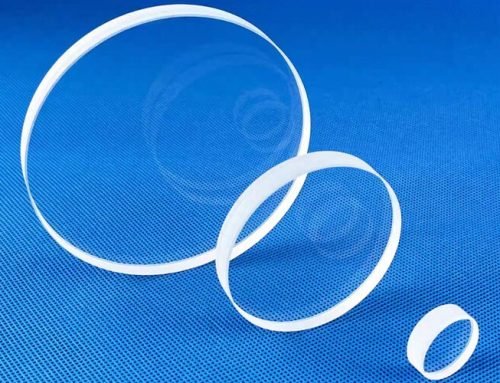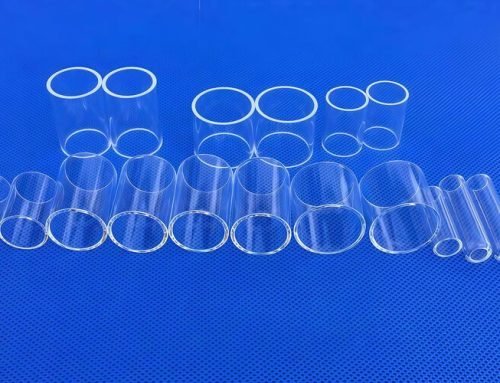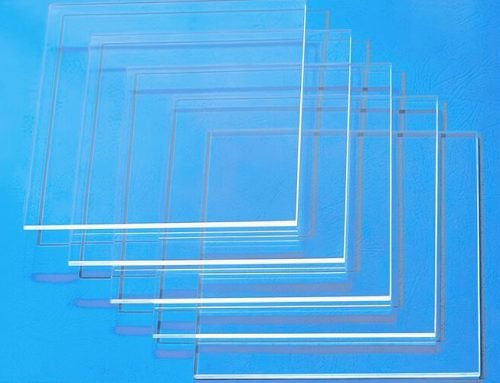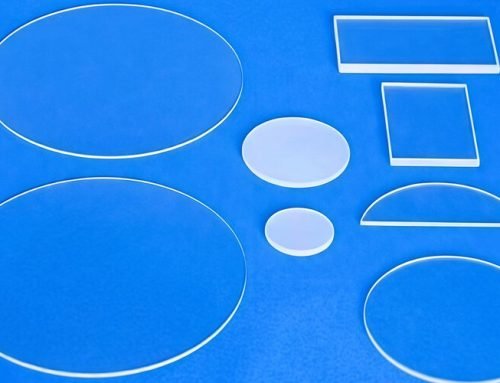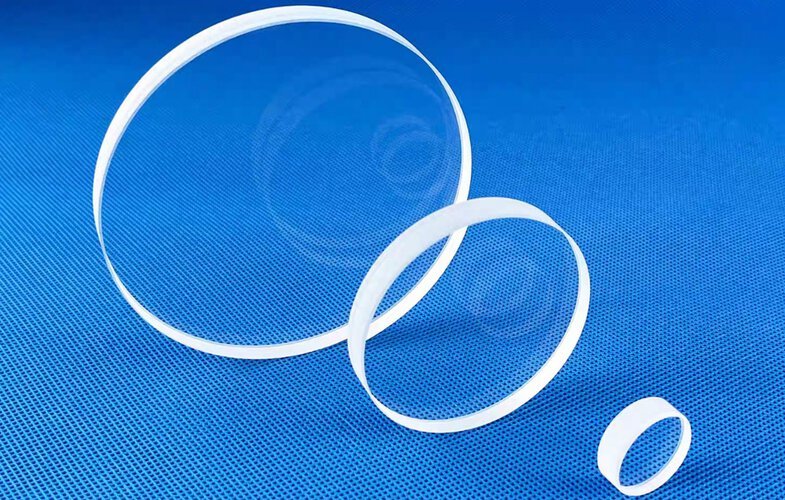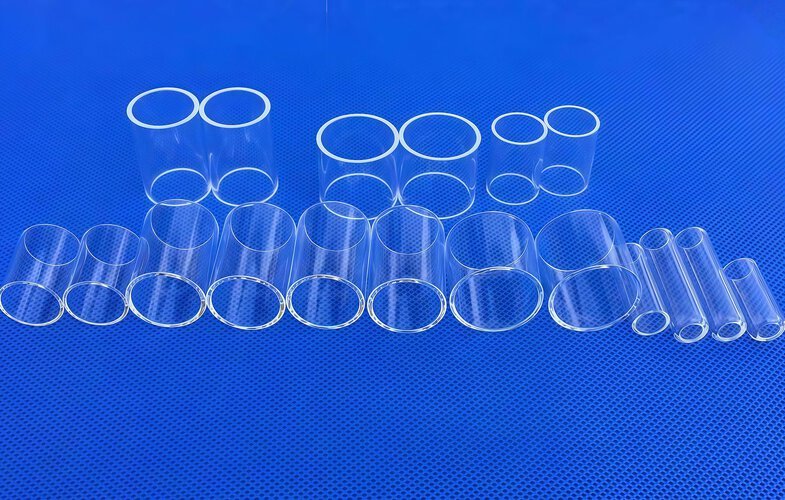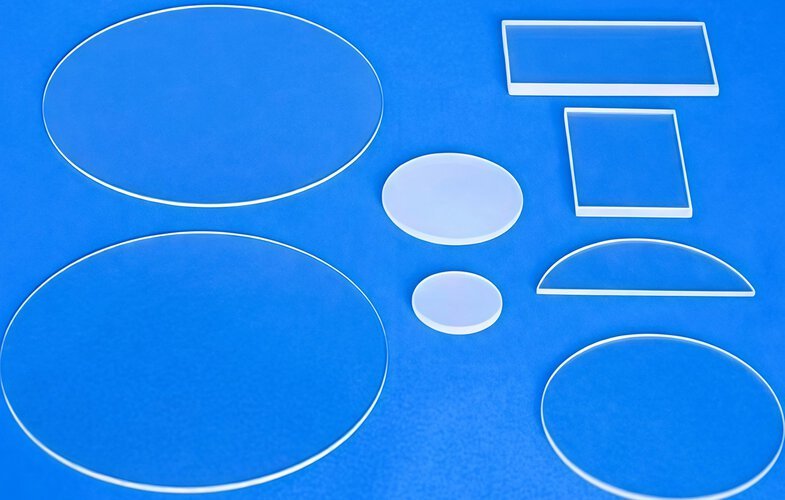
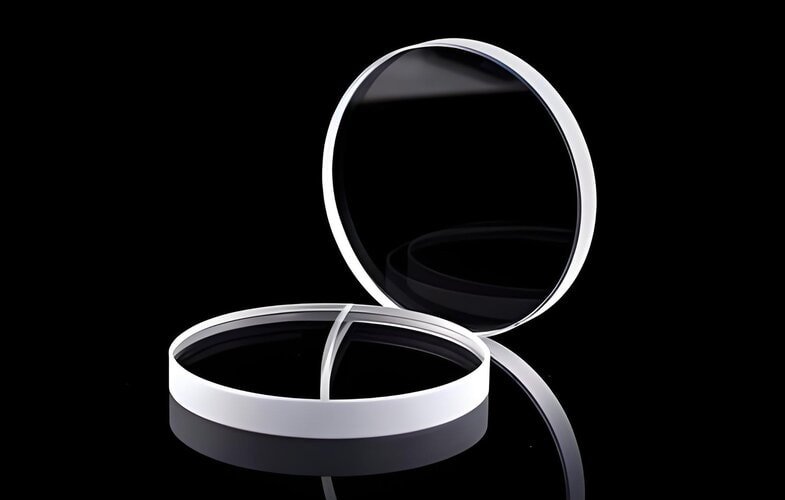
Quartz lenses are a commonly used type of optical component, valued for their excellent optical performance, wear resistance, and corrosion resistance. As a result, they are widely applied in optical instruments, semiconductor manufacturing, laser processing, and related fields. Edge processing is an essential step in the manufacturing process of quartz lenses, as it directly influences both their service life and optical performance.
This article will introduce the common edge processing methods of quartz lenses and their advantages and disadvantages.
- Grinding and polishing
Grinding and polishing is a common edge treatment method for quartz lenses. It involves the grinding and polishing of quartz lens edges, ensuring a smooth and consistent finish. This method can achieve relatively smooth edges while also eliminating micro-cracks and scratches on quartz materials, thereby increasing their service life. However, the grinding and polishing process is highly technical. In the event of improper operation, there is a risk of processing marks and errors occurring, which may result in a decline in product quality.
- Oxidation treatment
Oxidation treatment is a simple and effective method for edge treatment of quartz lenses. The process enhances the surface quality of quartz materials by oxidizing the surface at high temperatures in a reaction with oxygen, forming an oxide film. The oxidation treatment process is straightforward to operate and is cost-effective. However, if not handled correctly, there is a risk of defects, such as bubbles and cracks, in quartz materials, which could impact their optical performance.
- Coating film
Coating involves the application of transparent materials, such as films or liquid crystals, to the edges of quartz lenses. This method enhances the optical performance of quartz lenses, making them moisture-proof and dust-proof, and increasing their wear resistance and corrosion resistance. One potential disadvantage of coating is that it may leave marks on the surface of quartz lenses, thereby affecting their optical performance.
- Cutting and grinding
Cutting and grinding is a process that involves the mechanical cutting and grinding of the edges of quartz lenses. This method is capable of achieving precise edge dimensions and shapes, and is straightforward to operate, making it suitable for small-batch production. However, it is important to note that the processing speed is slow and there is a risk of marks and errors, which can compromise product quality.
Overall, various edge treatment methods offer distinct advantages and limitations, and the appropriate method should be selected according to specific process and product requirements. In practice, combining multiple treatment techniques can lead to enhanced quality and performance of quartz lenses.