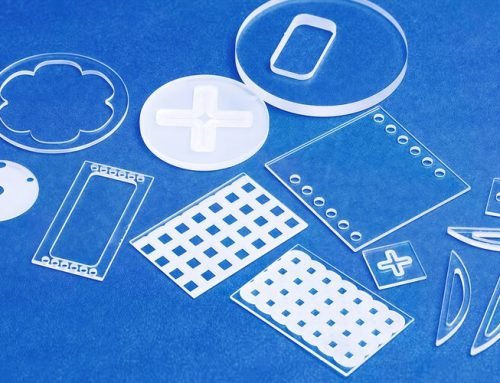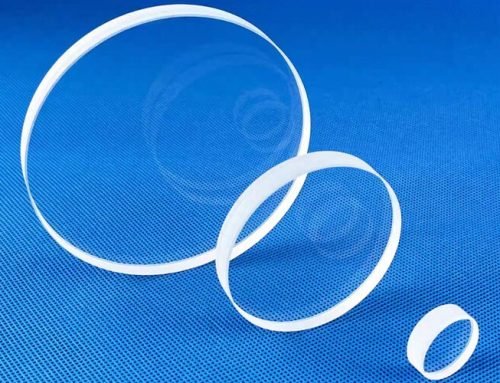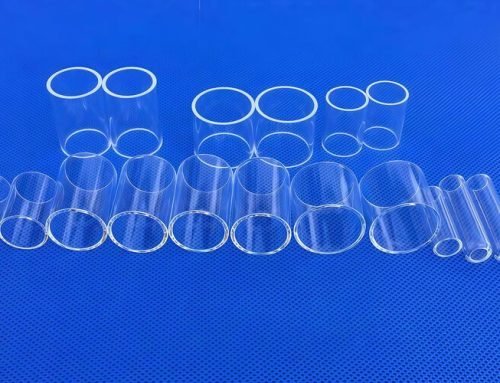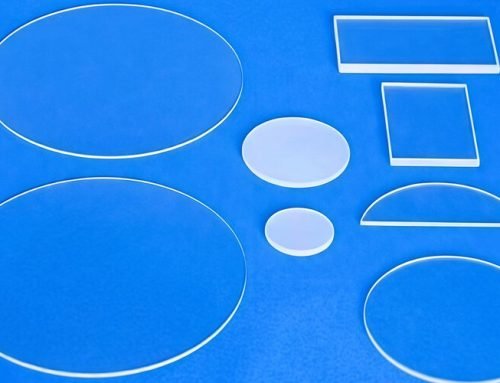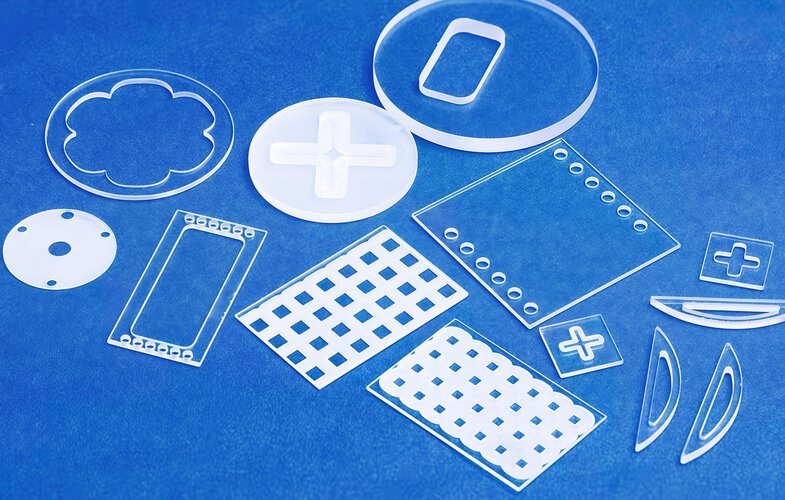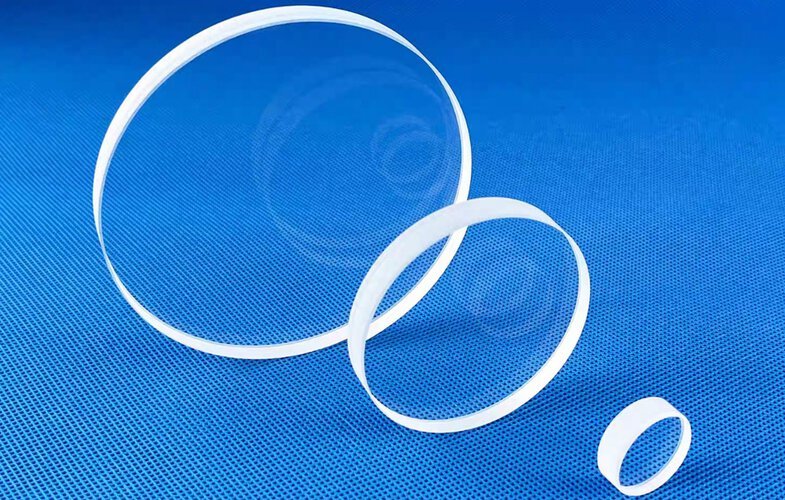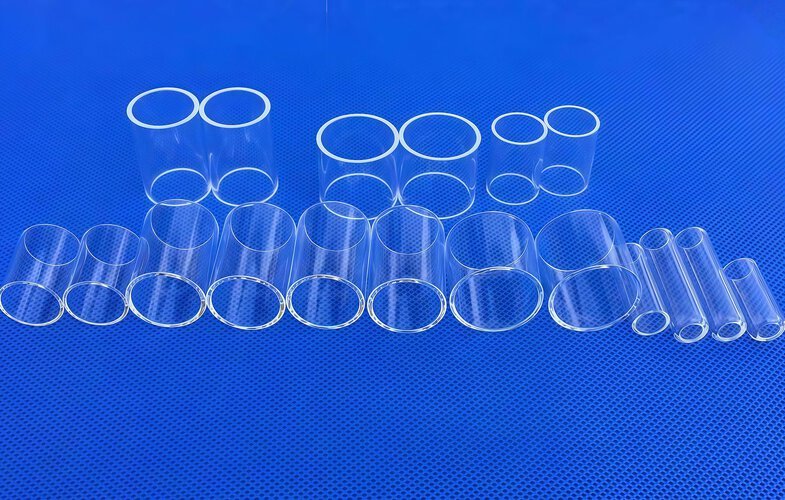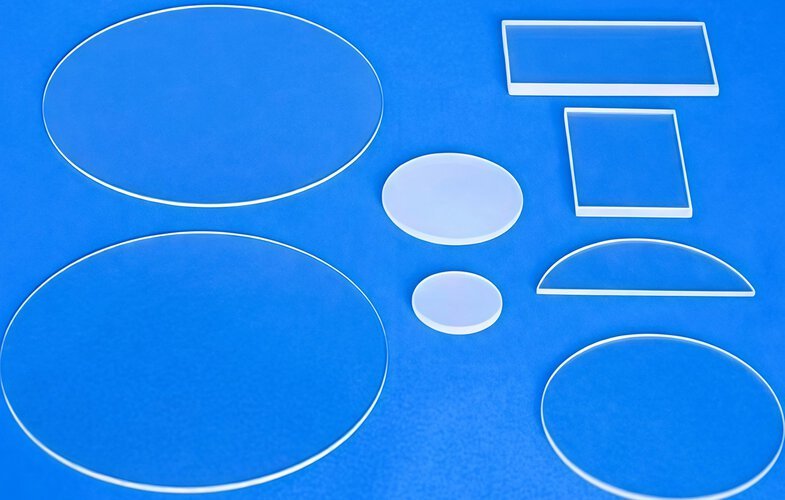
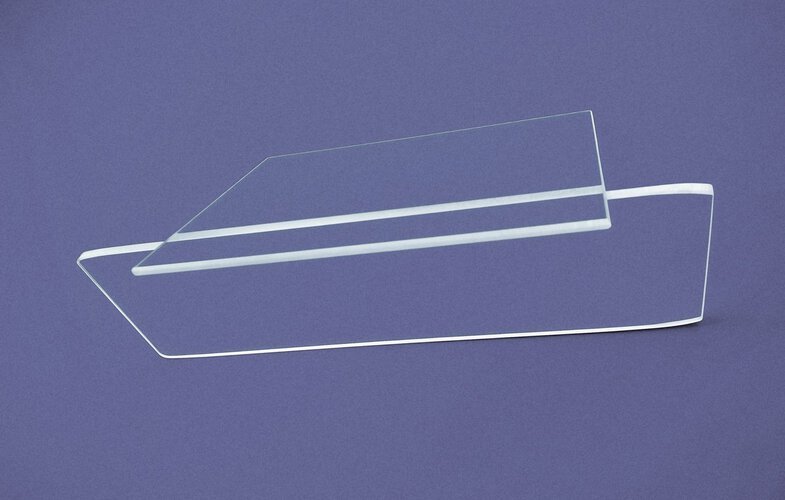
High-temperature resistant quartz plates, with silicon dioxide (SiO2) as the main component, are renowned for their excellent high-temperature resistance, chemical stability and low coefficient of expansion. They are widely used in semiconductor manufacturing, optical instruments, high-temperature heating, chemical synthesis and other fields. Its transparency is not just an appearance attribute. Instead, it is intimately tied to the internal structure of the material and the impurities within it. This, in turn, directly affects the performance in use and the adaptability to different scenarios.
- The core influencing factors of quartz plate transparency
The transparency of quartz plates is mainly determined by the following factors.
- Impurity content
Impurities, such as metal ions and hydroxyl groups, can absorb or scatter light, thereby reducing transparency. For instance, an excessively high hydroxyl content can lead to a decrease in the transmittance of the infrared range. The presence of iron ions can cause quartz plates to exhibit a pale yellow hue and impact the transmission of visible light.
- Bubbles and defects
Tiny air bubbles or internal cracks left behind during the manufacturing process can cause light scattering, compromising the uniformity of transparency.
- Crystallization degree
Following extended periods of exposure to high temperatures, quartz glass may experience a phenomenon known as “opacity loss” (crystallization), which leads to the formation of silicon dioxide crystal particles. This process can cause the glass to transition from a transparent state to a milky white appearance. Concurrently, its performance characteristics may undergo deterioration.
- The specific impact of transparency on usage
- Optical application scenarios: Directly determine the effectiveness of functions
Spectral analysis instrument: In the use of atomic absorption spectrometers and ultraviolet-visible spectrophotometers, quartz plates are required to serve either as sample cells or as optical path channels. Impurities or bubbles can interfere with the propagation of light, causing spectral baseline drift and increased measurement errors. For instance, high-purity transparent quartz plates are essential materials for ultraviolet analysis due to their transmittance of over 90% in the 200-400nm ultraviolet range.
Semiconductor lithography: During the photolithography process, quartz plates are used to transmit deep ultraviolet (DUV) light. Insufficient transparency can lead to light attenuation, affecting the precision of the photolithography pattern.
- Thermal performance: Affects temperature uniformity and thermal efficiency
Thermal shock resistance: Transparent quartz plates generally exhibit a reduced incidence of internal defects and enhanced thermal shock resistance. Following loss of transparency, there is a large difference in the coefficient of thermal expansion between the crystallized and amorphous regions of an opaque quartz plate. Repeated alternations of cold and heat can cause cracking, which can reduce the lifespan of the plate.
- Chemical stability: Correlate with the purity of quartz plates and reaction safety
In the high-purity field: In the semiconductor wafer diffusion process, quartz plates need to carry silicon wafers for high-temperature doping. If the quartz plates contain metal impurities, these will spread to the surface of the silicon wafer, causing a deterioration in its electrical performance.
Strongly corrosive environment: The low impurity characteristic of transparent quartz plates enables them to resist the corrosion of strong acids (except HF) and strong alkalis, while opaque plates, due to their high impurity content, are prone to react with corrosive substances, leading to plate damage or contamination of the medium.
- Mechanical strength and service life
Bubbles or crystallization areas are stress concentration points and are prone to rupture under high temperatures or external forces. For instance, the flexural strength of a quartz plate after devitrification can drop by more than 30%, and it is more prone to breakage in scenarios with frequent heating and cooling, such as laboratory heating sheets.
- Conclusion
The transparency of high-temperature resistant quartz plates comprehensively reflects their performance, directly affecting optical efficiency, thermal uniformity, chemical inertness and service life. When selecting the quartz plates, their transparency should be evaluated in relation to the core requirements of the specific application scenario, such as optical transmission, purity control and thermal stability.