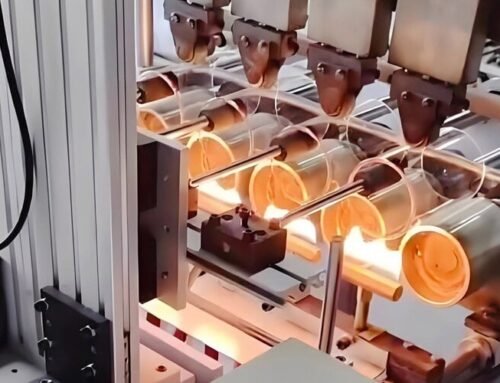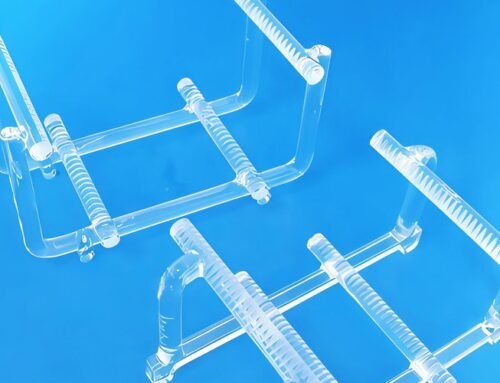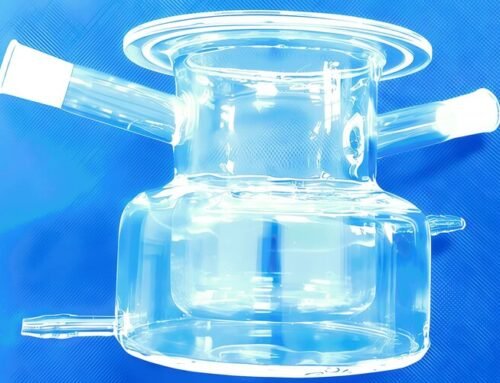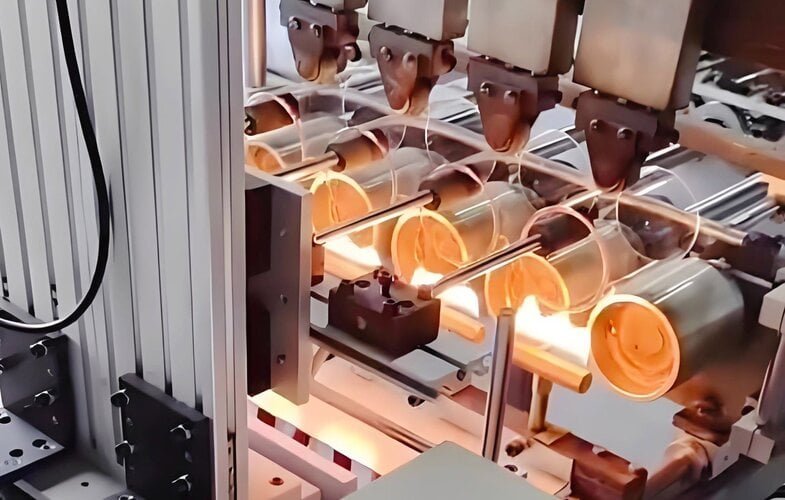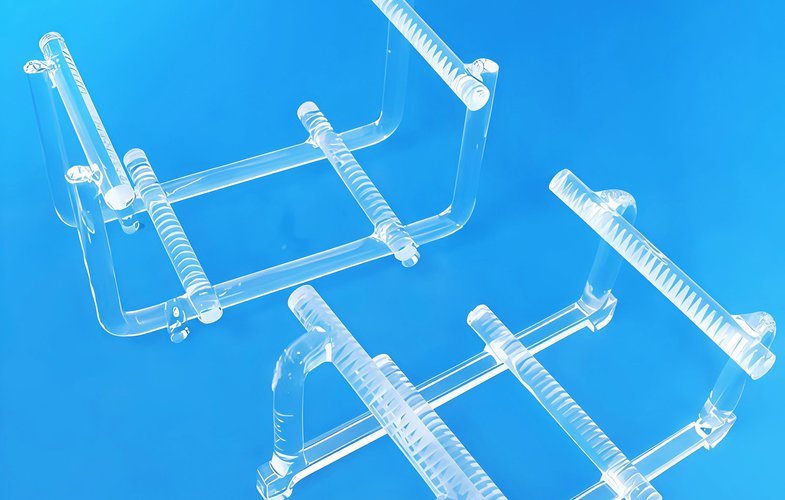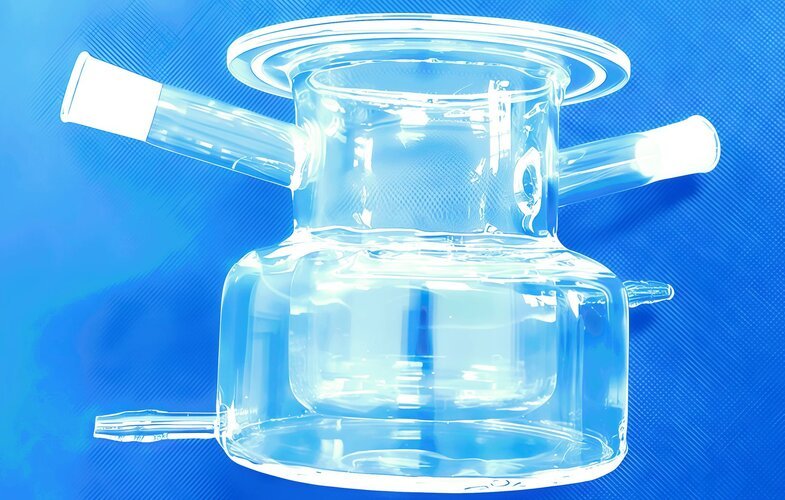

Polishing constitutes a pivotal phase in the manufacturing process of quartz plates. This phenomenon impacts not only the appearance quality of the quartz plates, but also directly affects their optical performance, mechanical strength, and service life. Consequently, the selection of the most appropriate polishing method is imperative in order to guarantee the superior quality of quartz plates. This article will provide a comprehensive discussion of the characteristics of quartz plates, the selection principles of polishing methods, common polishing techniques, and their advantages and disadvantages.
- The characteristics and polishing requirements of quartz plates
Quartz plates are inorganic non-metallic materials made of high-purity silicon dioxide (SiO₂), featuring excellent physical and chemical properties, including high heat resistance, corrosion resistance, low coefficient of thermal expansion and good optical transparency. Quartz plates are widely used in fields such as semiconductor production, optical engineering, chemical engineering and medical care, especially in situations where high purity and high precision are required.
Quartz plates are renowned for their high hardness (with a Mohs hardness of 7) and the fact that their surfaces usually require extremely high smoothness and optical performance. This means that the polishing process must be particularly meticulous. The primary objective of polishing is to eliminate surface imperfections, scratches and micro-defects, while enhancing surface smoothness and optical transmittance of quartz plates.
- The selection principles of polishing methods
When choosing the polishing method for quartz plates, the following key factors need to be considered:
- Surface quality requirements
The surface quality requirements for quartz plates vary depending on the application. For example, optical applications typically require an extremely high surface finish and low surface roughness, whereas industrial applications have relatively lower requirements for surface quality.
- Processing efficiency
The efficiency with which a polishing method is processed directly affects production costs and the delivery cycle. While efficient polishing methods can significantly reduce processing time, they may compromise surface quality.
- Cost control
The cost of polishing methods includes investment in equipment, expenses for consumables and labor costs. When selecting a polishing method, it is important to prioritize quality while reducing costs as much as possible.
- Common polishing methods for quartz platesand their advantages and disadvantages
- Mechanical polishing
- Principle: mechanical polishing is a process that involves the removal of surface defects and scratches through the friction between abrasives and the surface of quartz plates, thereby enhancing the surface finish. Commonly used abrasives include diamond, silicon carbide and alumina.
- Advantages: mechanical polishing is highly efficient and suitable for mass production. The required equipment is relatively simple and inexpensive.
- Disadvantage: mechanical polishing may cause microcracks or stress concentration on the surface of quartz plates, affecting their mechanical strength and optical properties. The surface roughness is relatively high, making it difficult to meet the requirements of high-precision optical applications.
- Chemical polishing
- Principle: chemical polishing relies on the chemical reaction between chemical reagents and the surface of quartz platesto dissolve the microscopic unevenness on the surface, thereby achieving a smooth finish. The following chemical reagents are frequently used: mixed solutions of hydrofluoric acid (HF) and nitric acid (HNO3).
- Advantages: chemical polishing is an effective method for achieving a high surface finish and low surface roughness, making it suitable for high-precision optical applications. The polishing process does not involve the use of mechanical force and will not produce microcracks or stress concentrations.
- Disadvantage: chemical polishing is characterized by its relatively low efficiency and the necessity of using highly corrosive chemical reagents, which engender safety hazards and environmental pollution problems. It also gives rise to certain restrictions on the geometric shape and size of quartz plates.
- Conclusion
When processing quartz plates, it is essential to select a polishing method that is appropriate for the specific application and processing conditions. Mechanical and chemical polishing are each suitable for different scenarios due to the advantages and disadvantages inherent in each method. By implementing a systematic approach to the selection of polishing methods, the high quality and high performance of quartz plates can be assured, ensuring they meet the specific application requirements of various fields.