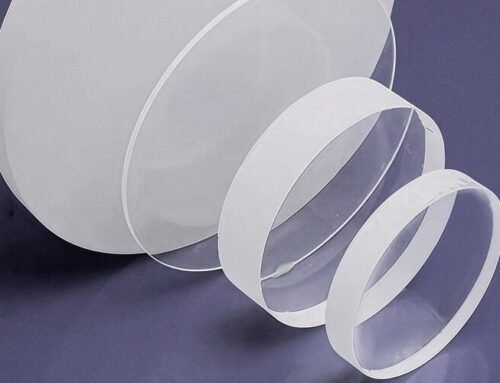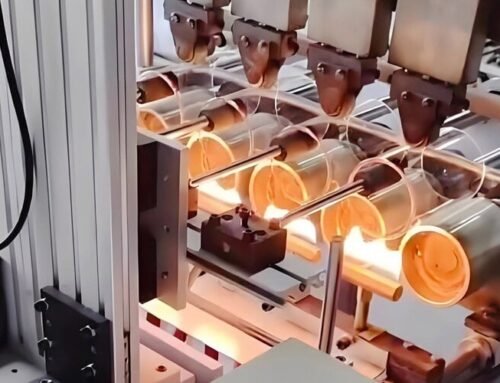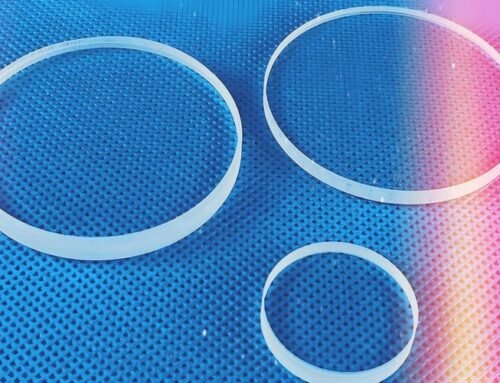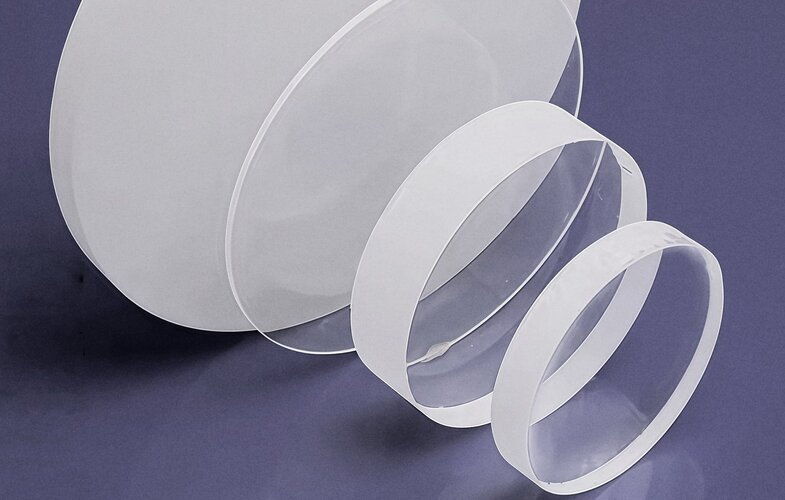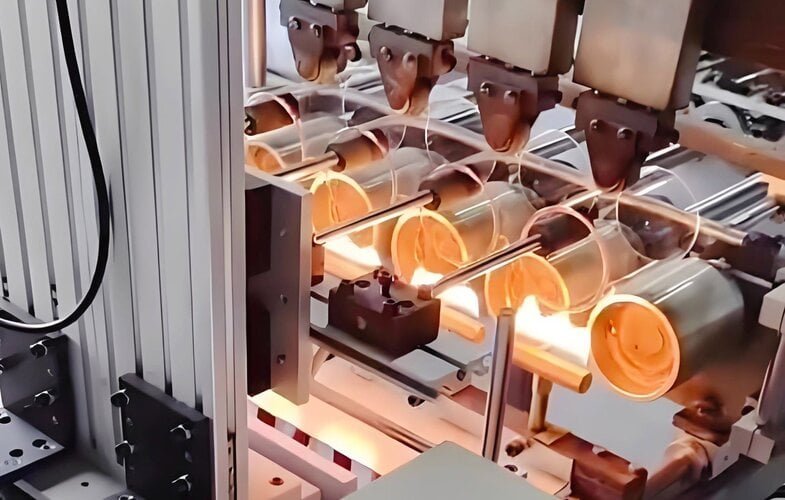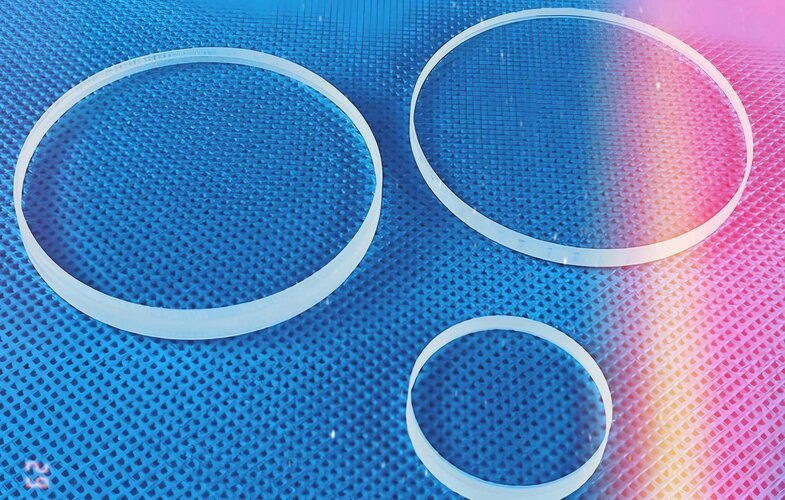
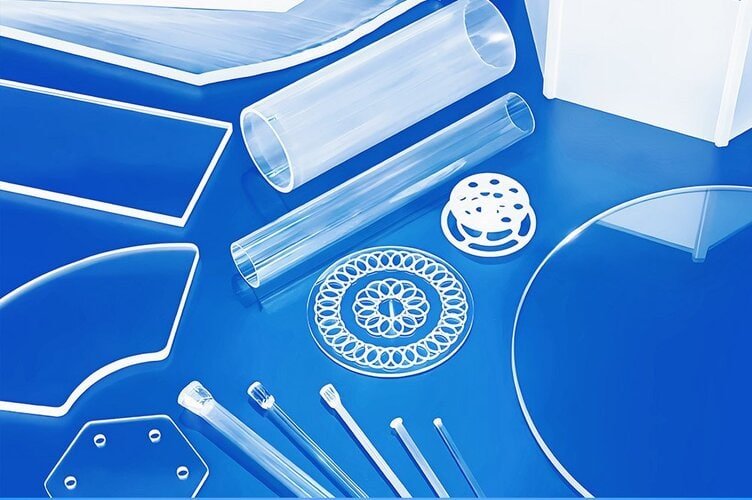
Quartz glass is often referred to as the “king of glass” within the industry, with natural crystalline quartz (either crystal or high-purity silica) or silicon compounds as raw materials, and produced through high-temperature melting in a clean environment. Quartz glass fiber exhibits several advantageous properties, including high strength, low thermal expansion coefficient, low dielectric constant and loss, corrosion resistance, and favorable design characteristics. Additionally, it demonstrates exceptional resistance to high temperatures and ablation, along with superior optical transmittance and electrical insulation properties.
As an irreplaceable fundamental raw material in various sectors of the national economy—including major special projects and the defense industry—quartz glass finds extensive applications across advanced fields such as aerospace, aviation, armaments manufacturing, maritime technology, nuclear science, laser systems, electronics, optical communications, electric light sources, solar energy technologies, and semiconductors.
- Quartz glass for electric lightsources industry
To prevent the cracking of lamp tubes caused by uneven heating and cooling, many special electric light sources such as halogen lamps, gold halide lamps, discharge lamps, germicidal lamps and infrared heaters are fabricated with quartz glass tubes. This is due to the fact that quartz glass has a small coefficient of thermal expansion.
- Quartz glass forphotovoltaic industry
Photovoltaic equipment comprising quartz glass is resistant to damage from ultraviolet and high-energy radiation. The quartz glass allows for the passage of light with minimal distortion along the functional light path. Examples of products with optical applications include prisms, lenses, beam splitters, polarizers, mirrors, and windows. Quartz glass is a material with a wide range of applications in the photovoltaic industry, including solar diffusion furnaces and PECVD tube furnaces. It is used in these contexts as a high-purity reaction chamber, gas or liquid inlet, and conveying pipe.
- Quartz glass forsemiconductor industry
Quartz glass is a significant consumable in the semiconductor manufacturing industry. Currently, China’s quartz glass materials and products are predominantly concentrated in the low-end market, with the high-end market exhibiting limited development.
- Quartz devices in front-end process
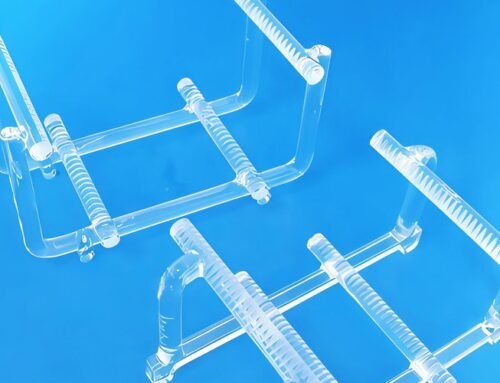
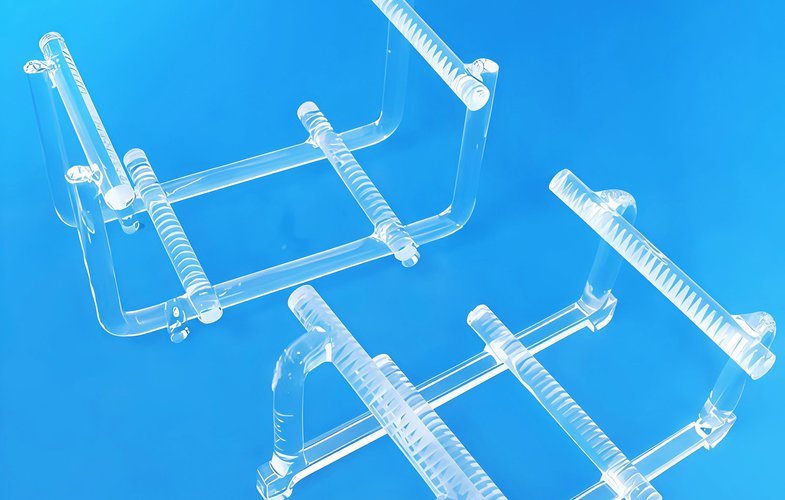
The diffusion and oxidation processing utilize a multitude of quartz glass diffusion tubes and quartz flanges, as well as quartz glass furnace tubes (which facilitate the transfer of quartz boats into or out of the diffusion furnace), quartz boats (which contain silicon wafers), brackets (which support multiple quartz boats), and an array of other quartz devices.
- Photomask substrates
Quartz glass is characterized by high purity, low reflectivity and a low thermal expansion coefficient, which makes it the primary substrate material for photomasks. A photomask is a precision tool used to transfer graphic “negatives” in the manufacturing process of liquid crystal displays, semiconductors, and other electronic components, determining the precision and quality of the resulting components. Quartz glass, the material used in this context, is particularly demanding, and high-purity synthetic quartz glass is typically used as the substrate material.
- Quartz glass for optical fiber industry
The principal applications of quartz glass for optical fibre industry are in the manufacture of prefabricated rods, outer sleeves, holding rods/tubes, support rods, tail rods, tail tubes, large-diameter furnace tubes for sintering, and sealing flanges for wire drawing furnaces, etc.
In recent years, China’s optical fibre and cable industry has undergone a period of rapid development, resulting in the formation of the largest optical fibre and cable industry in the world. This has led to the establishment of a comprehensive industrial chain encompassing the production of optical rods, optical fibres and optical cables.
- Quartz glassfor aviation industry
In the field of aviation, quartz glass materials are used primarily in the fabrication of wave transmission enhancement materials, including airborne radomes, missile radomes, interference electromagnetic launch windows, and other related components.