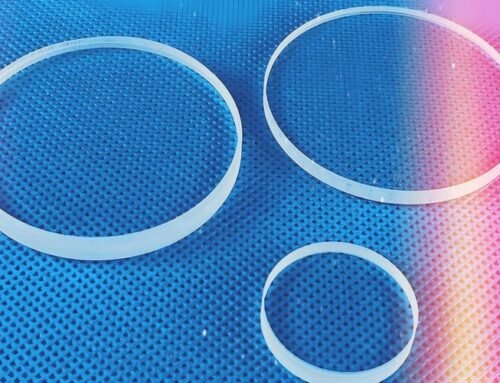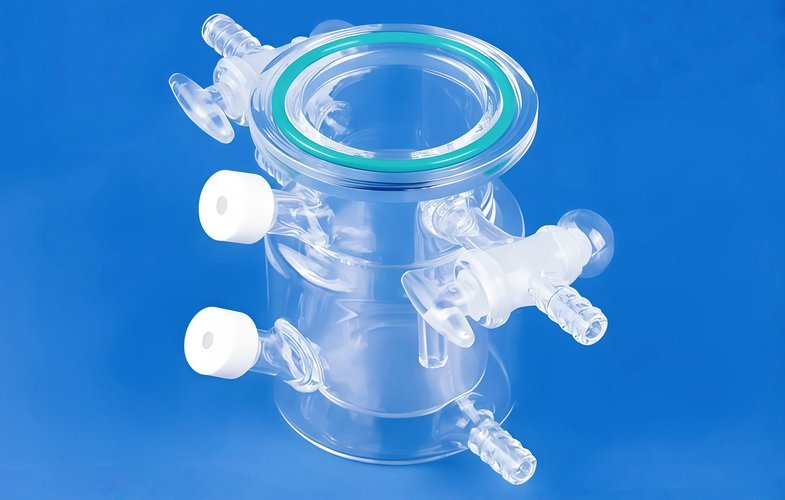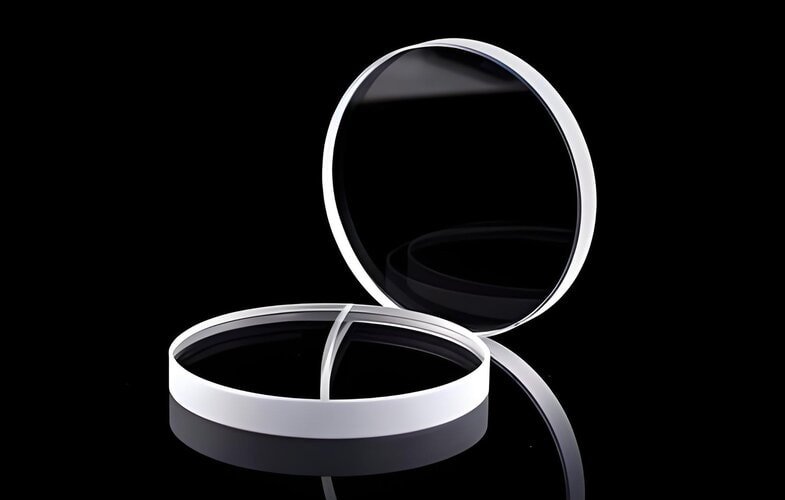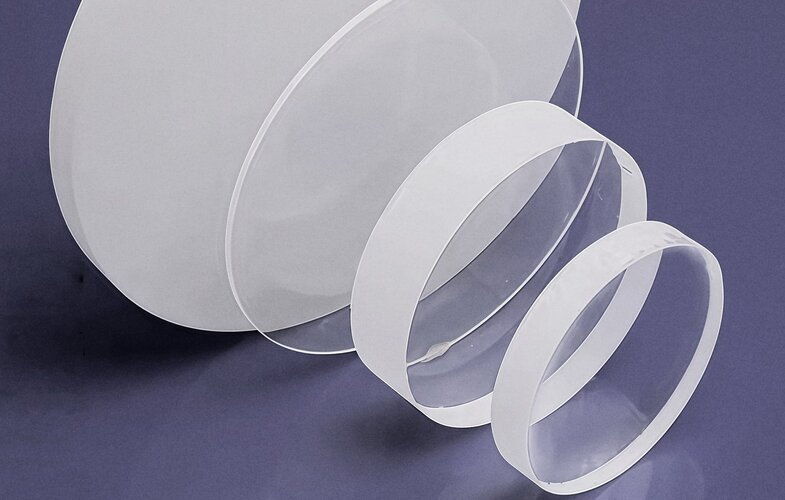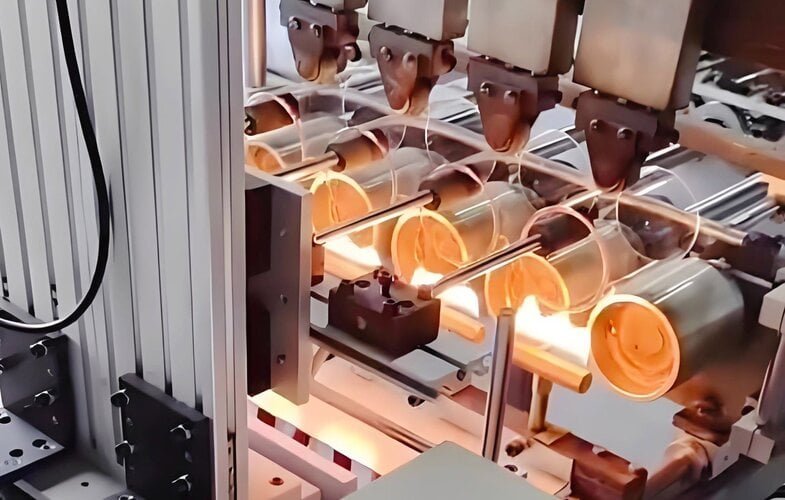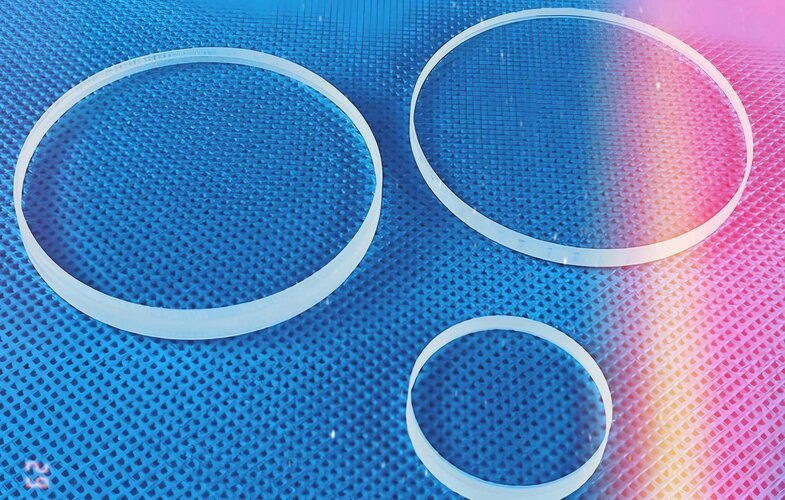
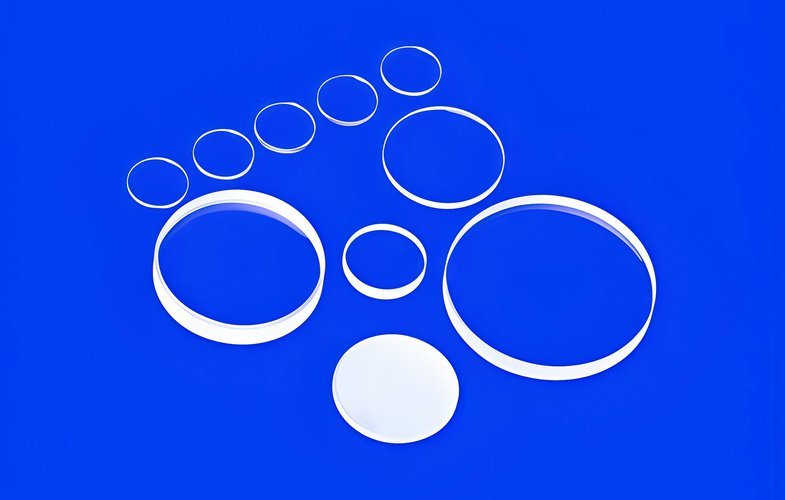
High-temperature resistant quartz glass plates represent a unique class of special glass products, manufactured from high-purity silicon dioxide (SiO₂). The long-term operating temperature of these plates can exceed 1000°C, while their short-term durability can withstand temperatures of up to 1700°C. They are widely used in a variety of applications, including laboratory heating, semiconductor manufacturing, and industrial high-temperature reactions. Its corrosion and oxidation resistance are key factors in determining its application scope and service life. The subsequent analysis will address these two aspects in detail.
- Corrosion resistance: selective tolerance and limitations
The corrosion resistance of quartz glass plates is attributed to the atomic crystal structure of SiO₂, which forms stable chemical bonds that are resistant to damage from most media. However, quartz glass is significantly sensitive to specific substances.
- Resistance characteristics to acid media
Quartz glass plates boast an extremely strong resistance to corrosion when exposed to a wide range of acids. At room temperature, concentrated hydrochloric acid, concentrated sulfuric acid, nitric acid, and acetic acid, among others, are unable to corrode the surfaces of quartz glass plates. Despite being heated to 200°C, these acids still demonstrate considerable difficulty in destroying the structure of quartz glass. However, two exceptions should be noted.
Hydrofluoric acid (HF): Irrespective of concentration or temperature, HF will undergo an irreversible reaction with SiO₂, causing the quartz glass plates to dissolve rapidly.
Hot phosphoric acid: When the temperature exceeds 300°C, phosphoric acid reacts with SiO2 to form soluble silicon phosphate. Therefore, quartz glass plates are strictly forbidden in high-temperature phosphoric acid environments.
- Sensitive reaction to alkaline media
Quartz glass plates have relatively low resistance to strong alkali corrosion. At room temperature, the corrosion by dilute alkali is slow, but the rate increases sharply as the temperature rises. At elevated temperatures (e.g. 800°C), molten strong alkali reacts with SiO2 to form silicates, which can result in cracks, spalling and even breaking of the glass.
- Oxidation resistance: stability in oxidation state and reducing environment
The anti-oxidation perform of quartz glass plates is due to the chemical nature of SiO2, a high-valent oxide of silicon which cannot be further oxidized.
- Stability in oxidizing environments
Even when heated above 1200°C in the air, quartz glass plates will not show signs of oxidation, discoloration, weight loss or structural damage. Its atomic crystal structure remains stable at high temperatures, and the Si-O bonds are not prone to breakage, meaning it can be used for extended periods in oxidizing atmospheres.
- Risks in reducing environments
In reducing atmospheres such as hydrogen and carbon monoxide, quartz glass plates may undergo reduction reactions at high temperatures. This can cause damage to the glass structure. Therefore, it is imperative that the temperature in reducing atmospheres is strictly controlled (usually below 800°C) or the use of quartz glass should be avoided at high-temperature reducing environments.
- Summary: applicable scenarios and precautions
The corrosion resistance and oxidation resistance of high-temperature resistant quartz glass plates make them ideal materials for high-temperature fields, but their application should be based on the environment.
- Applicable scenes
Oxidizing atmosphere, acidic environment without hydrofluoric acid or hot phosphoric acid, and environment of most salt solutions.
- Forbidden scenes
Hydrofluoric acid, high-temperature phosphoric acid, molten strong alkali, fluorinated salts, and high-temperature reducing atmosphere.